Kouga Economic Development and Tourism section hosts German public administration students
12 Mar 2026
Media Releases

KOUGA – From the southwest of Germany, where the Black Forest meets the Rhine River’s flow along the French border, a group of young students journeyed to the golden shores of Kouga.
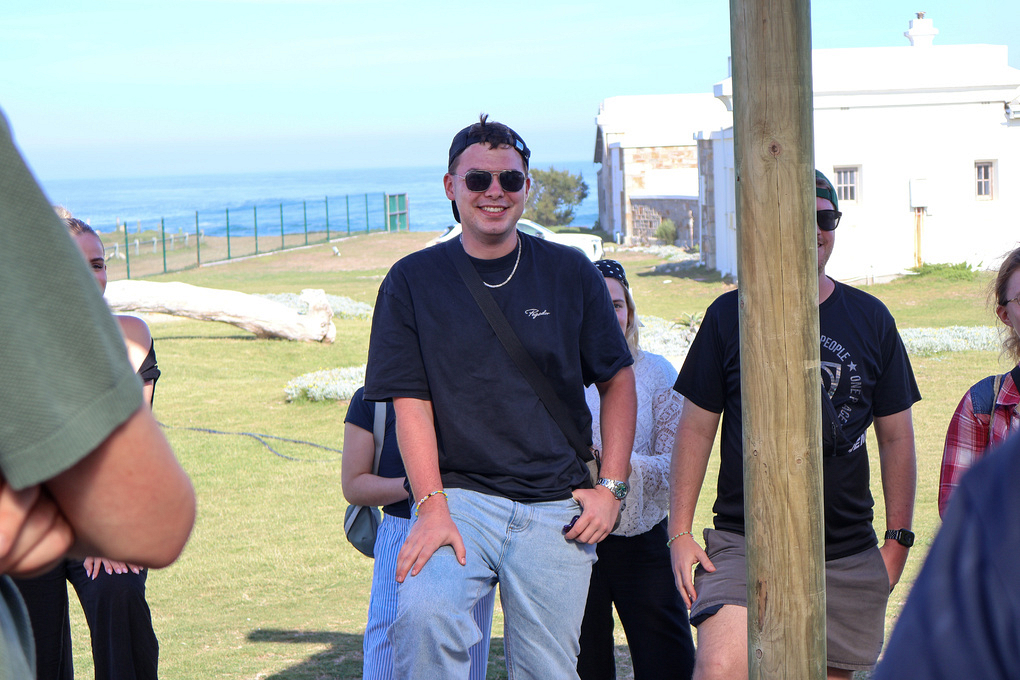
Fourteen second-year students from the Hochschule Kehl – University of Applied Sciences in Public Administration – travelled with their lecturer, Prof. Dr. Gert Fieguth, who over more than a decade has become a familiar and warmly welcomed visitor to the region.
They arrived on 17 February 2026 for a ten-day study tour that would take them from Cape Town to Addo and ultimately into the heart of Kouga – Humansdorp, St Francis Bay, and Jeffreys Bay. Although this was the first visit to Kouga for this year’s group, they stepped into a relationship that has deepened steadily over time.
What once formed only a small part of a broader South African study tour has, as Fieguth reflects, “become the most intense part of the trip, thanks to Kouga Local Municipality, as well as the hospitality of the community and the people of Kouga.”
The visit itself traces back to the original twinning agreement between Kouga Local Municipality and Ilsfeld Local Municipality in Germany. Over the years, the exchange has grown into a strong institutional partnership, with Kouga providing what Fieguth describes as “an excellent place to study . . . with very open and helpful people” for future public administrators.
For the students, Kouga offers something remarkably relevant: a municipality comparable in size and challenge to those where they will one day serve in Germany.
“In terms of size and challenges, Kouga is very similar to the municipalities where our students will work,” Fieguth explains, making it an ideal environment for comparing solutions across contexts. The study tour was not only experiential but academically rigorous – students must submit a research paper to progress to the next year – yet, he emphasises, “the content aspect is even more important,” as exposure to what he calls “a highly efficient South African administration broadens the students’ horizons enormously.”
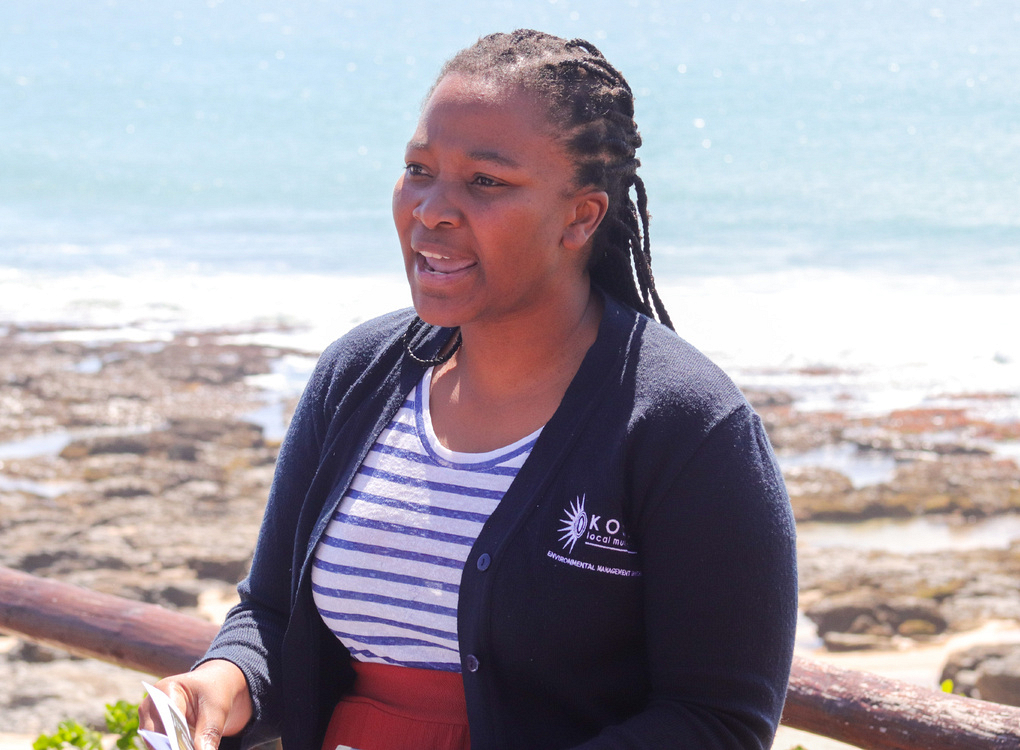
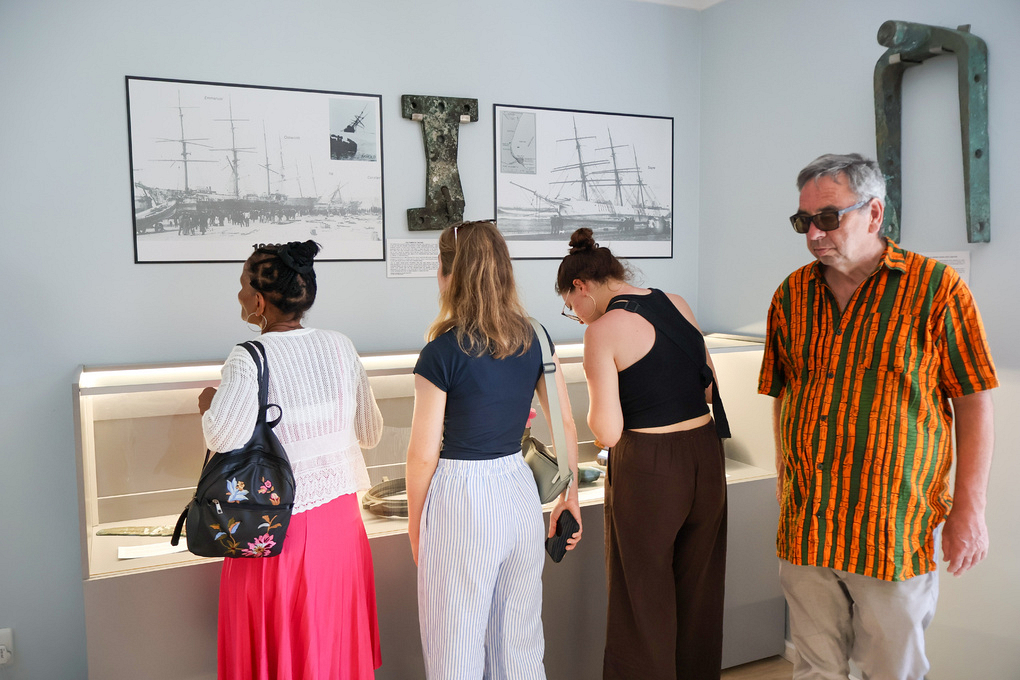
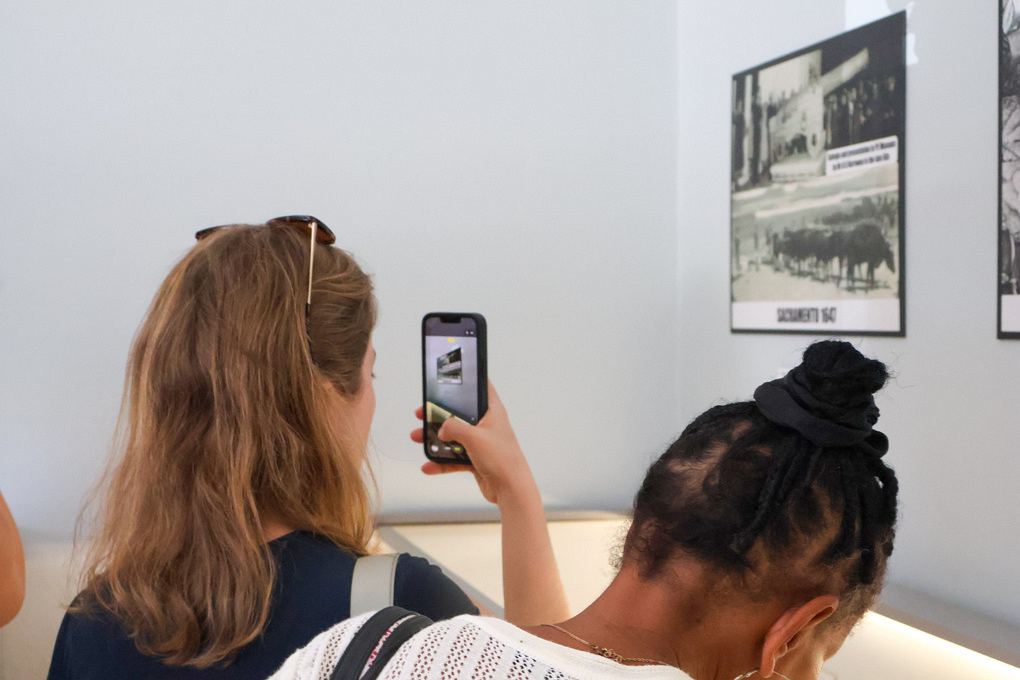
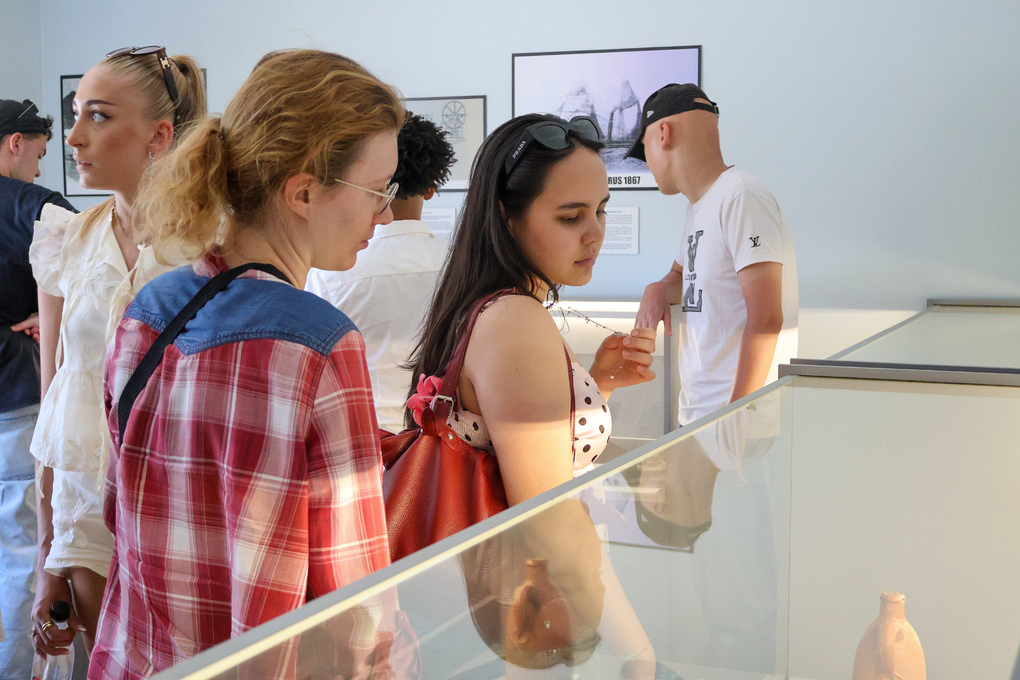
This year’s research focus – tourism and renewable energy – guided them through museums, tourism offices, environmental sites, and local businesses. A comprehensive programme was designed by Kouga’s Economic Development and Tourism section as hosts.
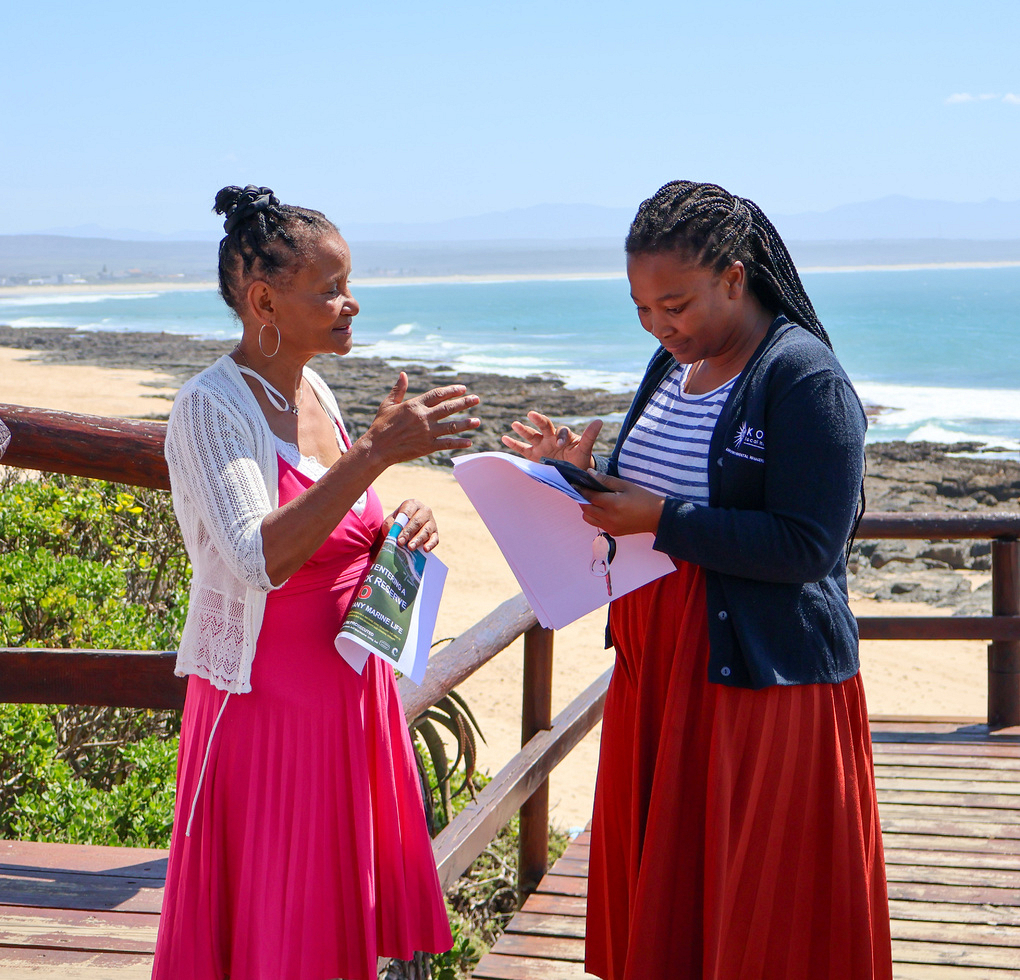
The students engaged with environmental specialists, tourism products and activities, financial experts, public servants, restauranteurs, shop owners, and local youth. They explored heritage and natural assets, analysed tourism products, and experienced the local economy in motion, supporting it through their presence during the off-peak season.
In these encounters, learning flowed in both directions. The students compared administrative systems and often expressed admiration for “the South African pragmatism that can lead to quick, citizen-oriented solutions,” as well as the strong service culture they observed. At the same time, they recognised that bureaucratic hurdles are similar to those in Germany, highlighting shared challenges in public governance.
Cultural immersion formed an essential part of the journey. The group attended church services, visited schools, held conversations with residents and traditional leaders, and even celebrated a birthday at a family home in Jeffreys Bay.
“This is very important,” Fieguth notes.
“We try to integrate cultural exchange into the whole programme,” ensuring that learning extends beyond lecture rooms and interview notes into lived relationships.
For Kouga, the benefits are both tangible and lasting. It yields a body of research that will be shared with the municipality’s Economic Development and Tourism section.
“The students compile a collection of their research findings and make it available to the municipality,” he explains. Several are already planning three-month internships in municipal departments and local schools – a long-standing tradition that has seen students contribute to fields ranging from HR to the environment. Many return later with partners and families, strengthening tourism ties and people-to-people connections.
International cooperation, Fieguth believes, is essential in shaping future public sector leaders. “Public sector leaders need to think strategically,” he says. “It is very helpful if they have a good understanding of international developments and can think outside the box.” Even where solutions cannot be transferred directly, the exchange expands the range of possibilities for addressing local challenges.
Looking ahead, the partnership shows no sign of slowing. “I hope that this partnership will continue and be successful for both sides,” he says, adding that preliminary discussions are already underway for a 2027 research theme on small and medium-sized enterprises and economic development.
“We had a fantastic, wonderful and intense time in Kouga,” Fieguth reflects.
“Many thanks to everyone who took the time for us. It was a great experience.”