Kouga secures landmark conservation agreement for 235 hectares near Cape St Francis
18 Oct 2026
Media Releases
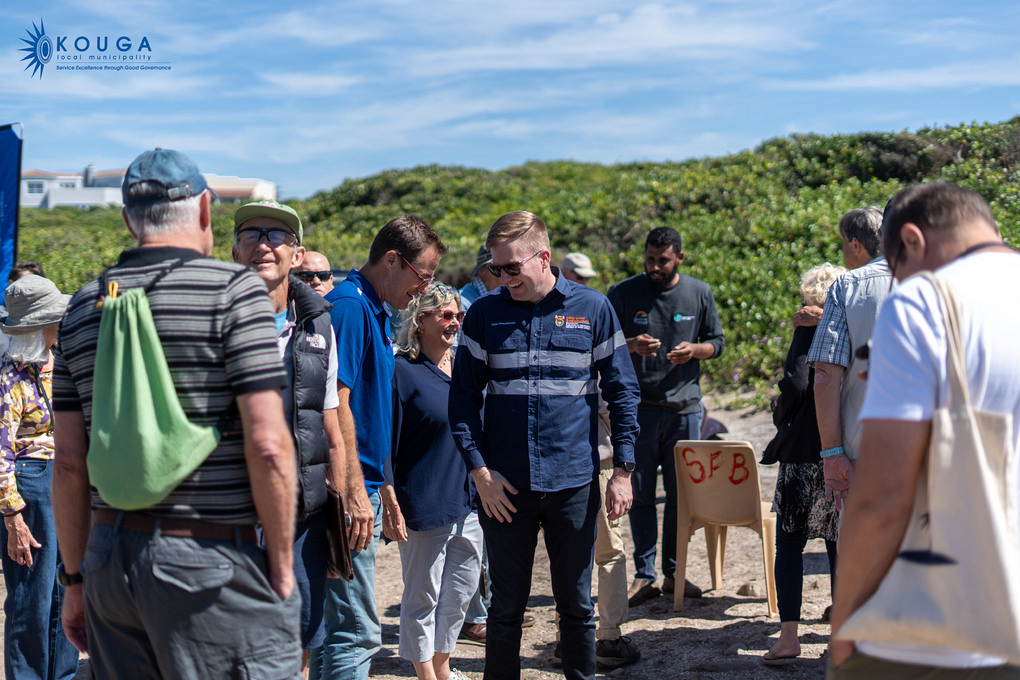
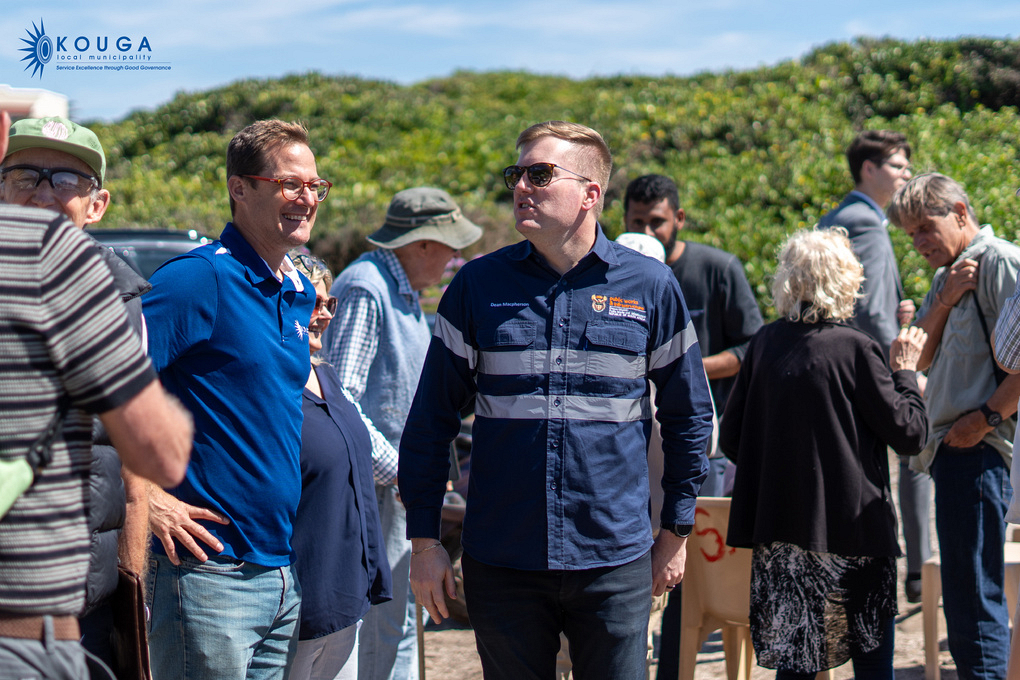
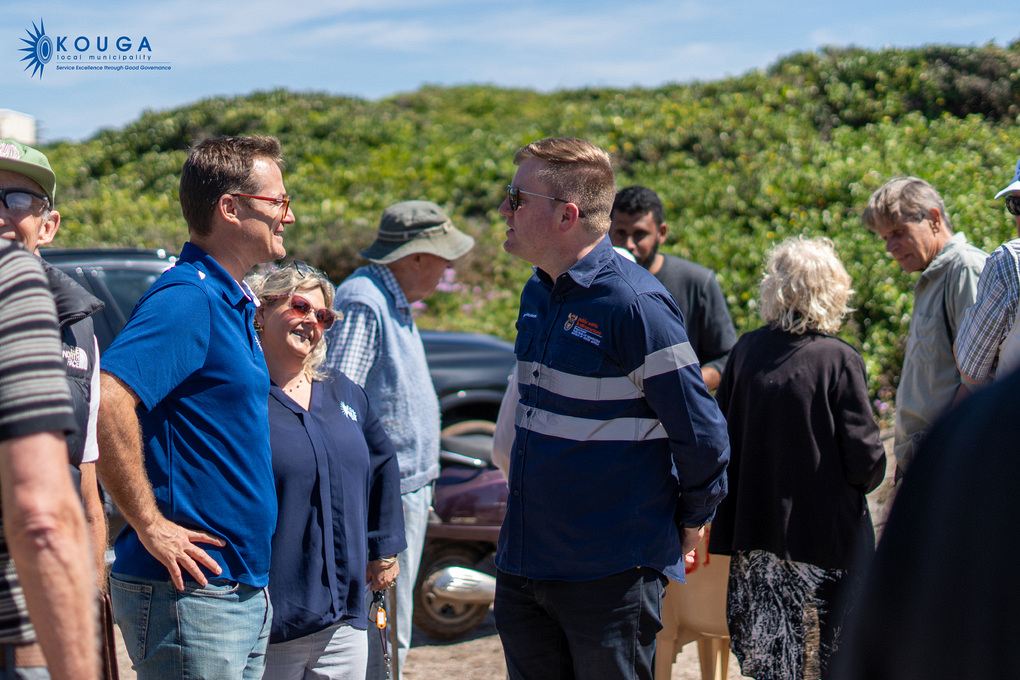
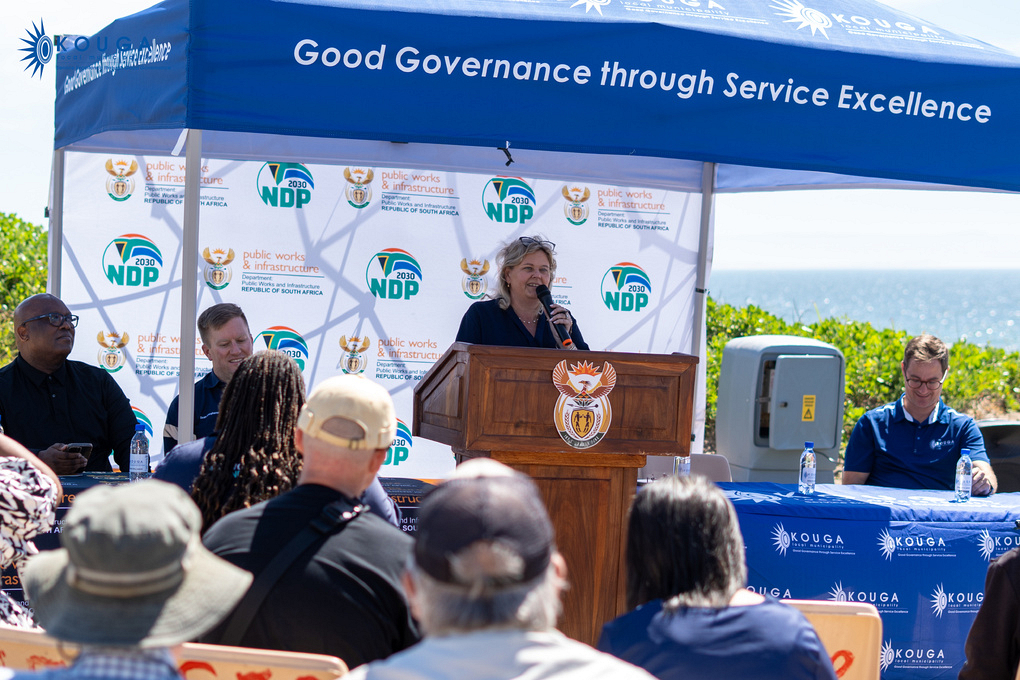
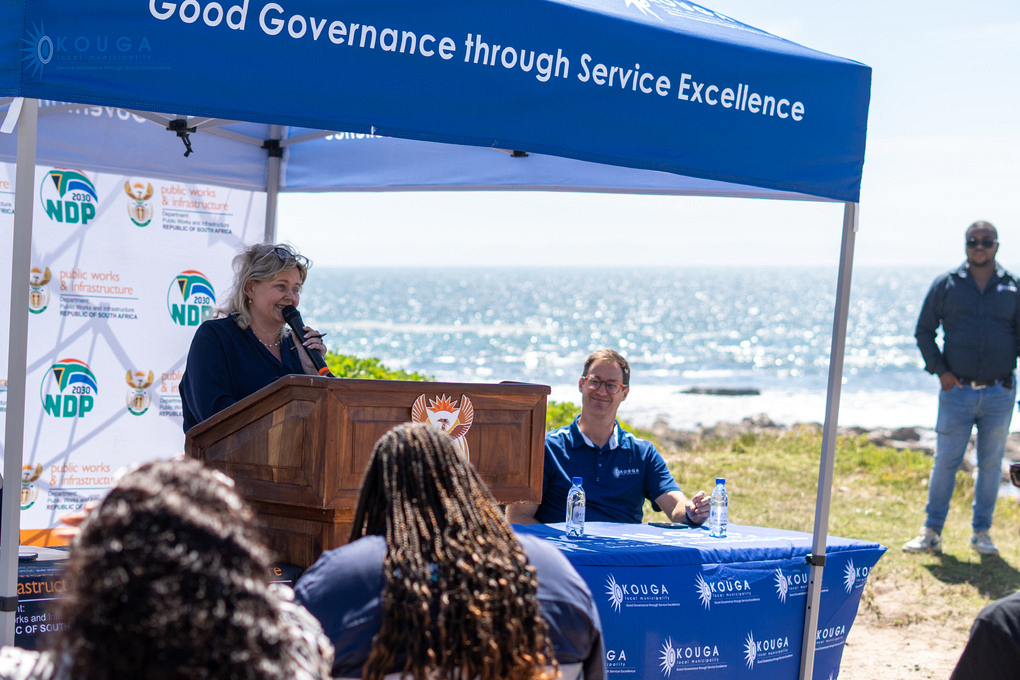
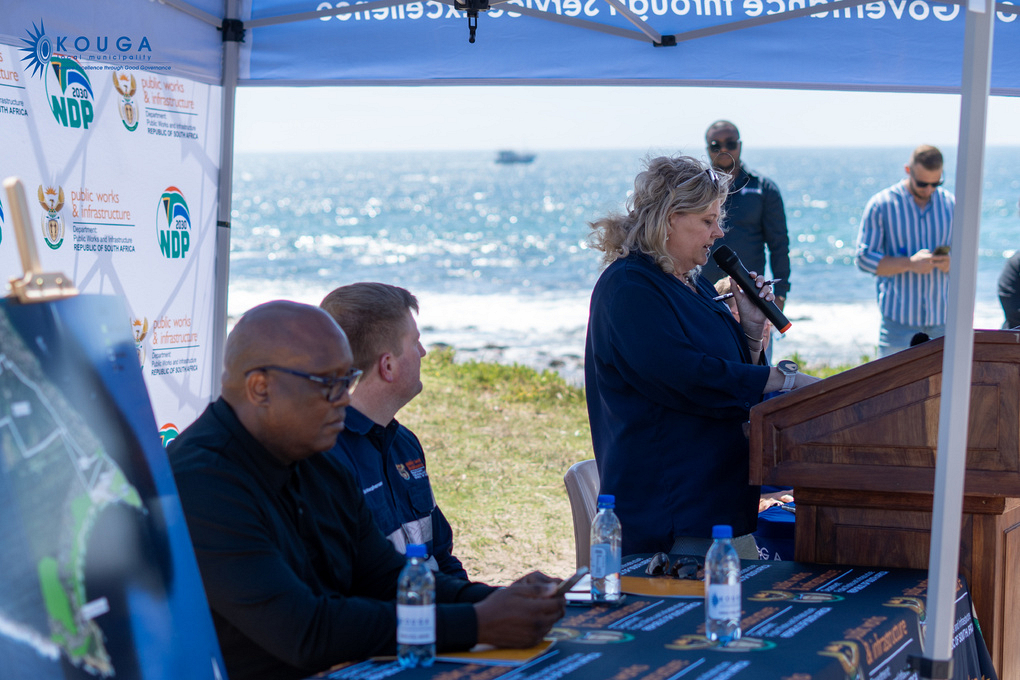
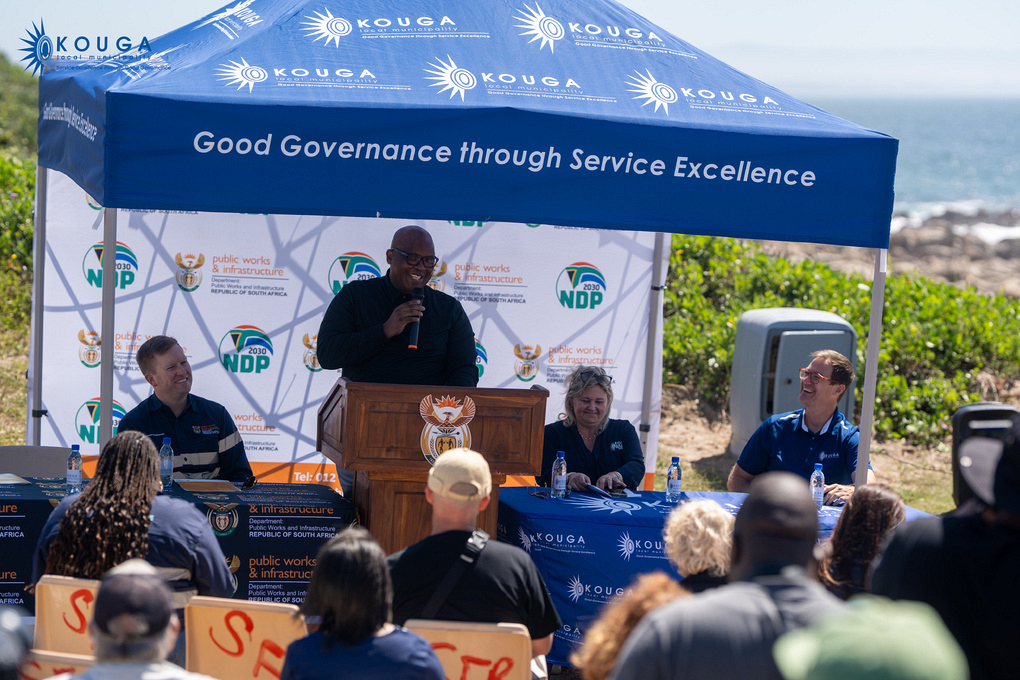
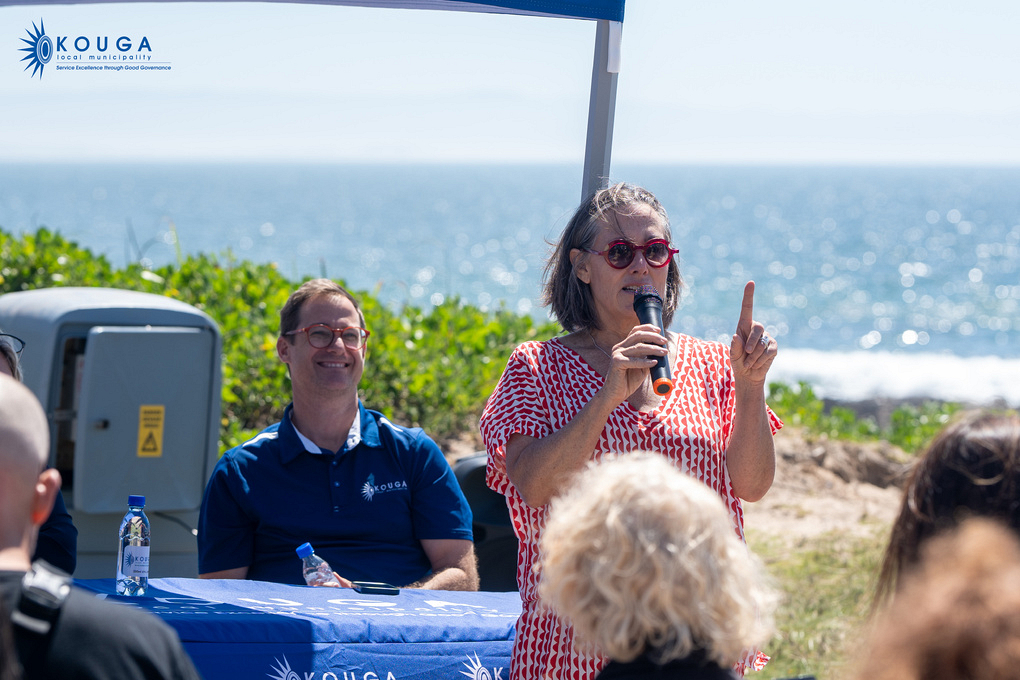
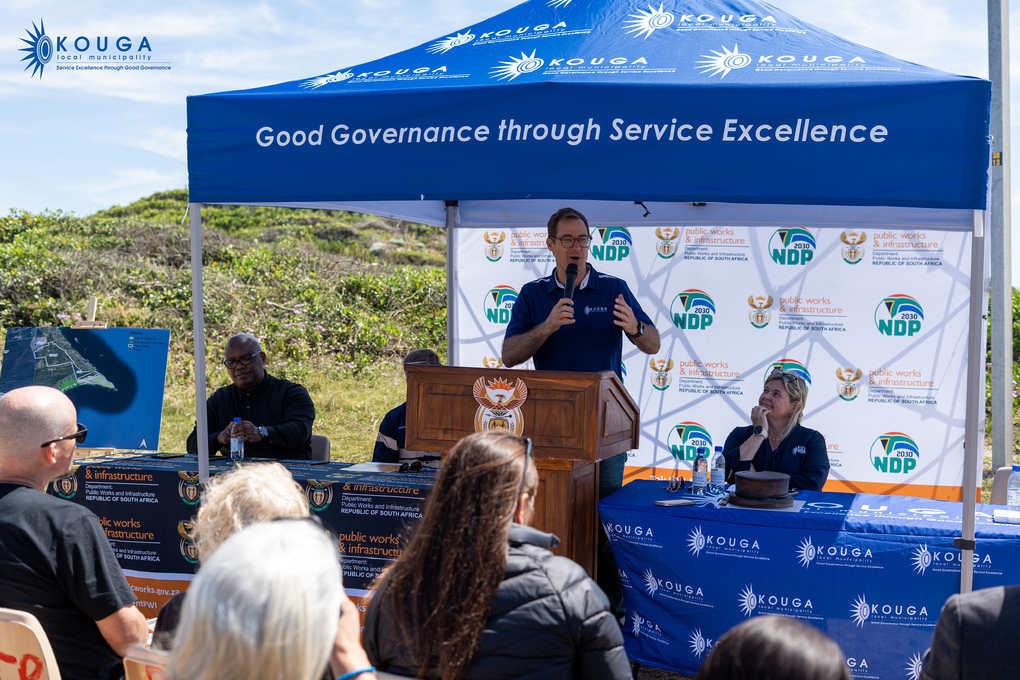
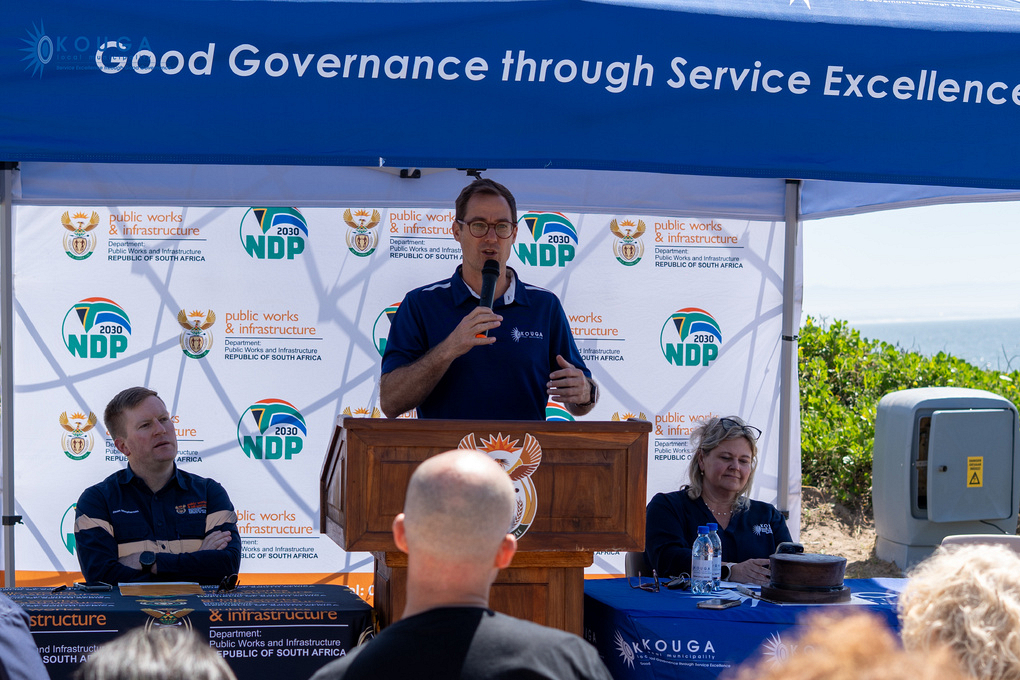
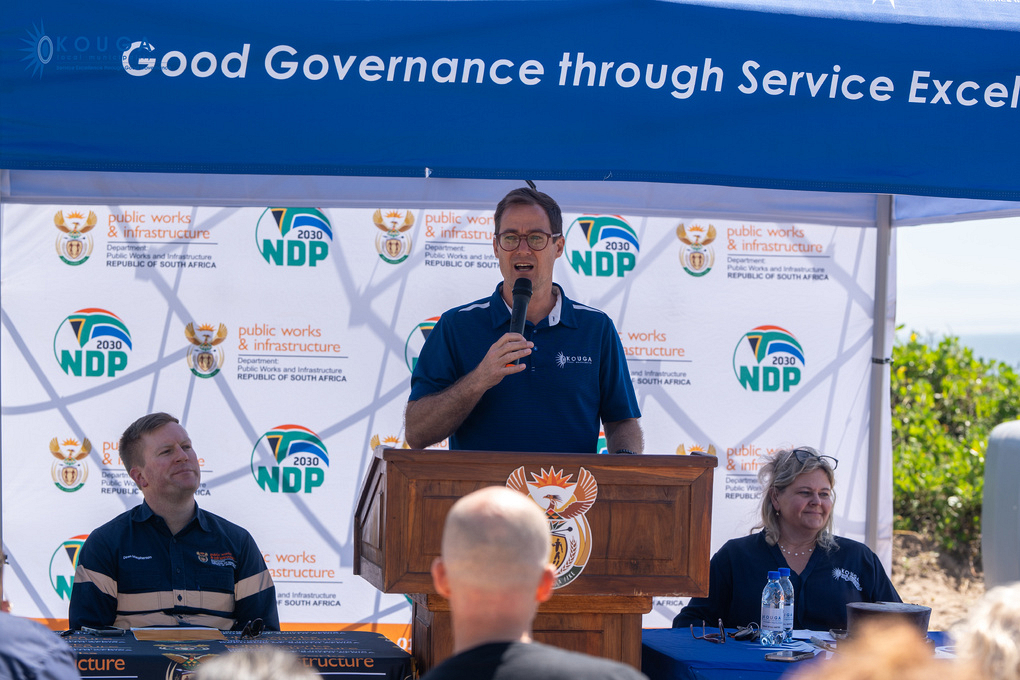
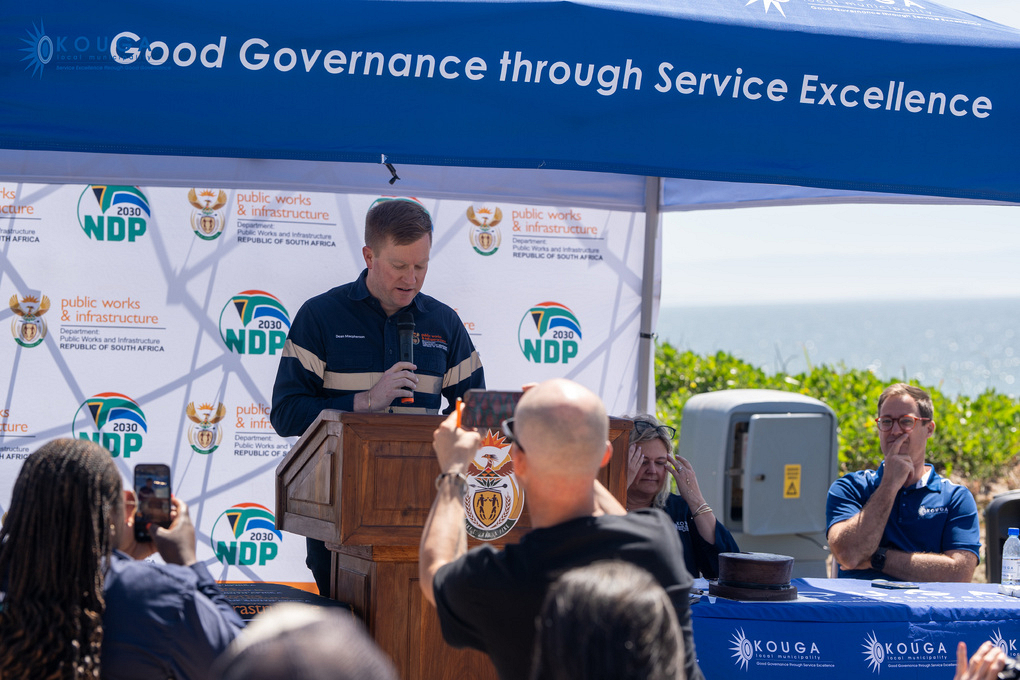
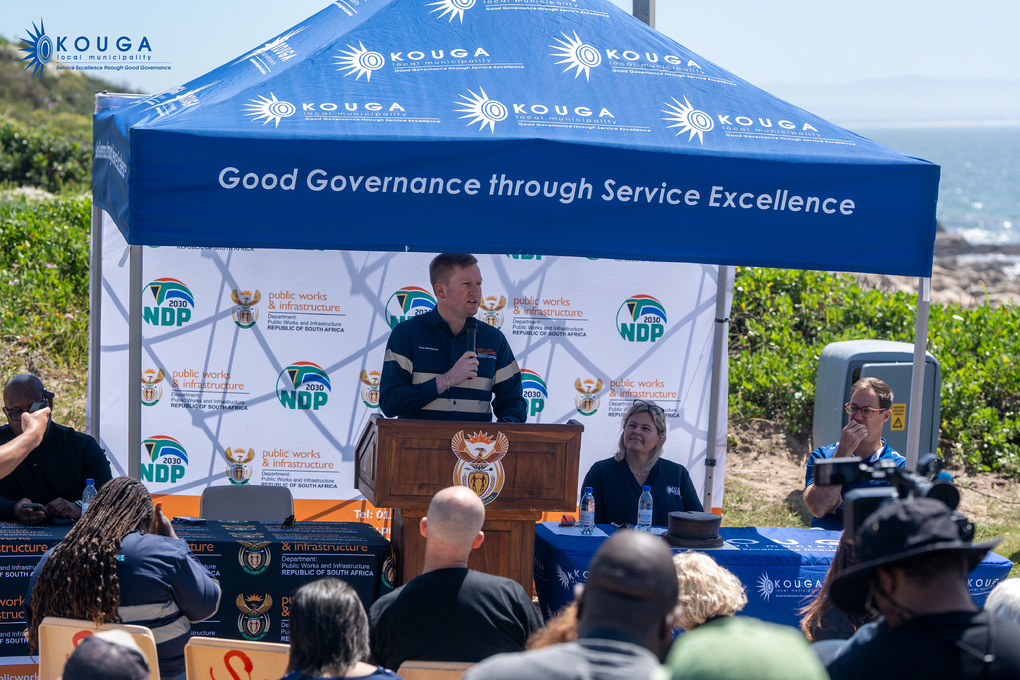
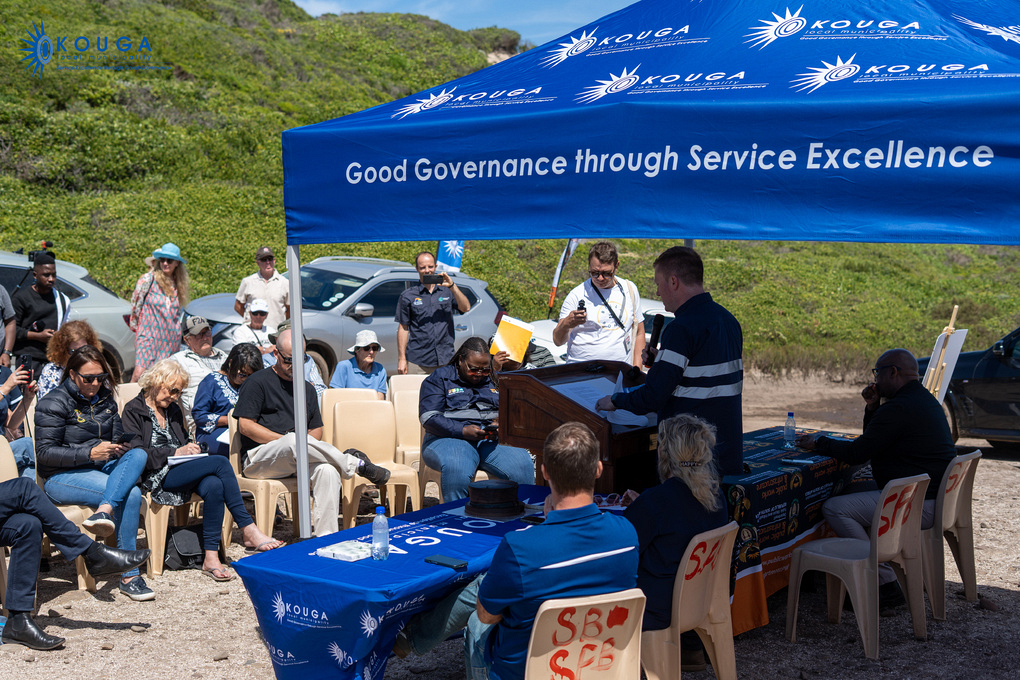
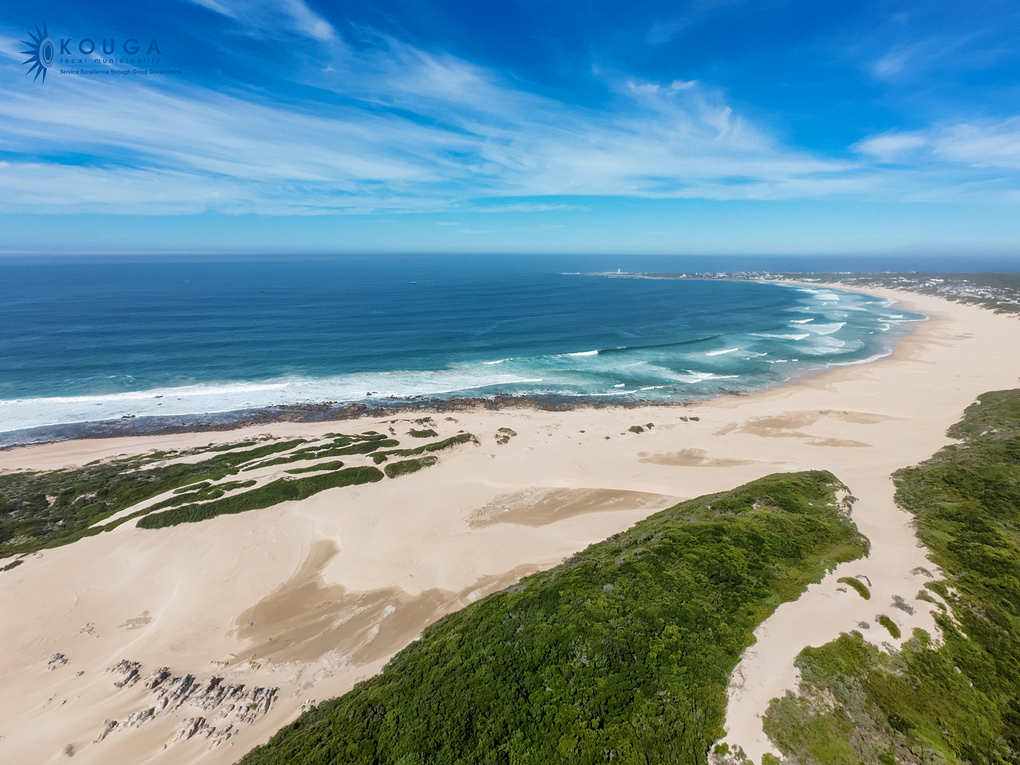
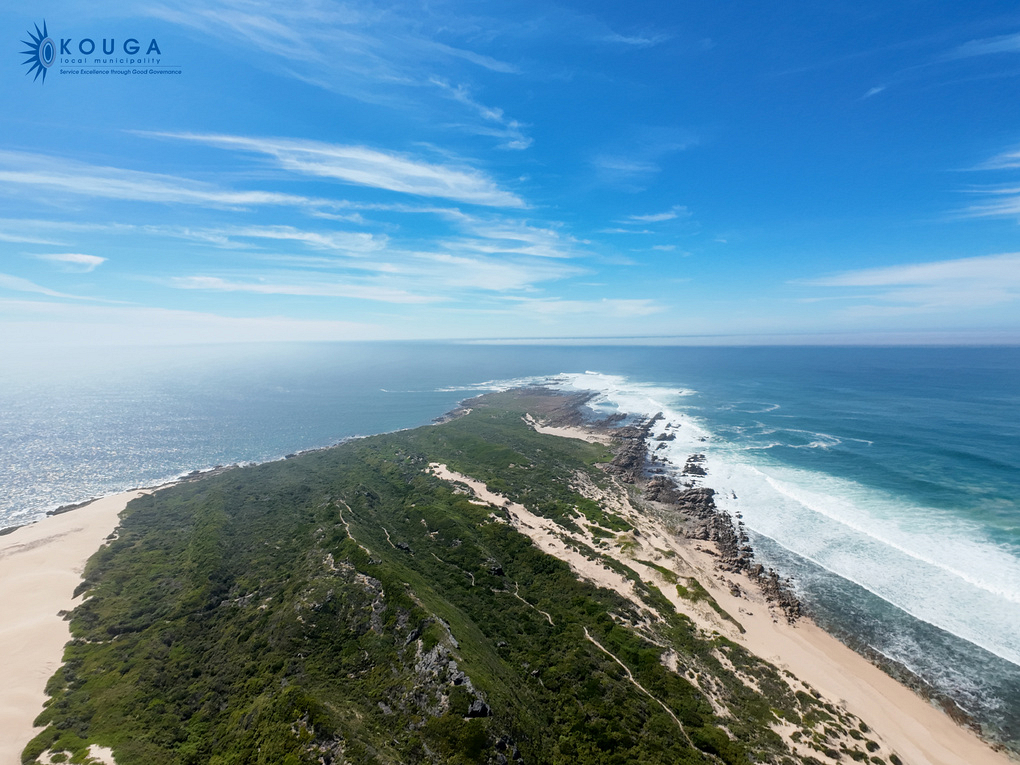
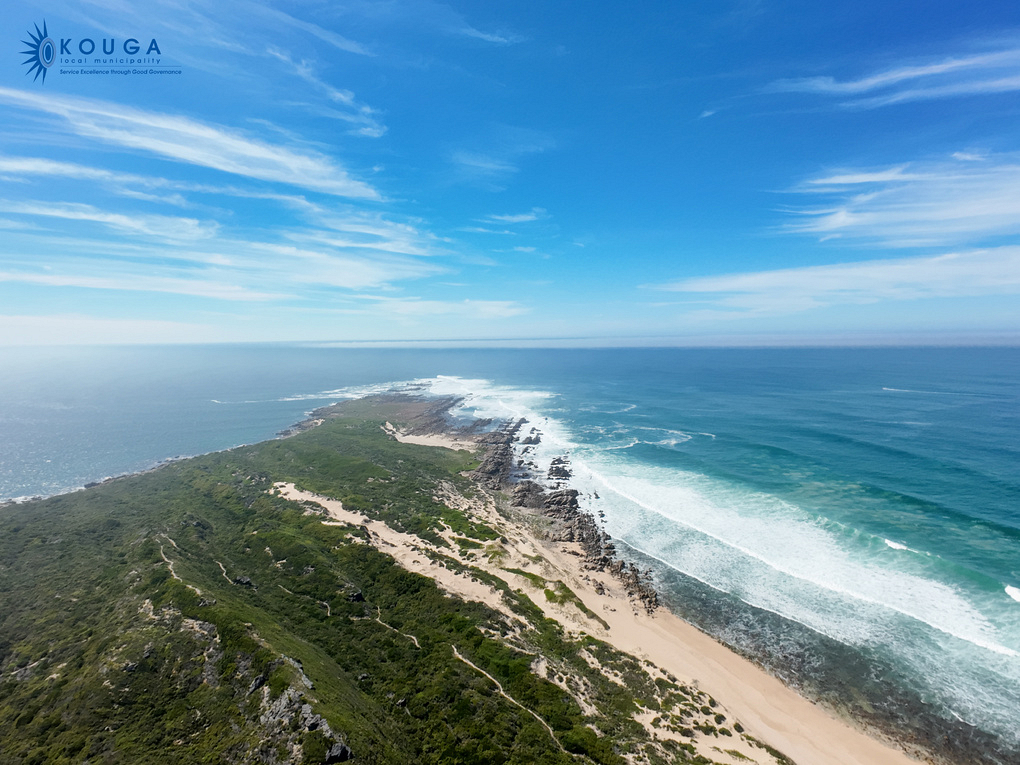
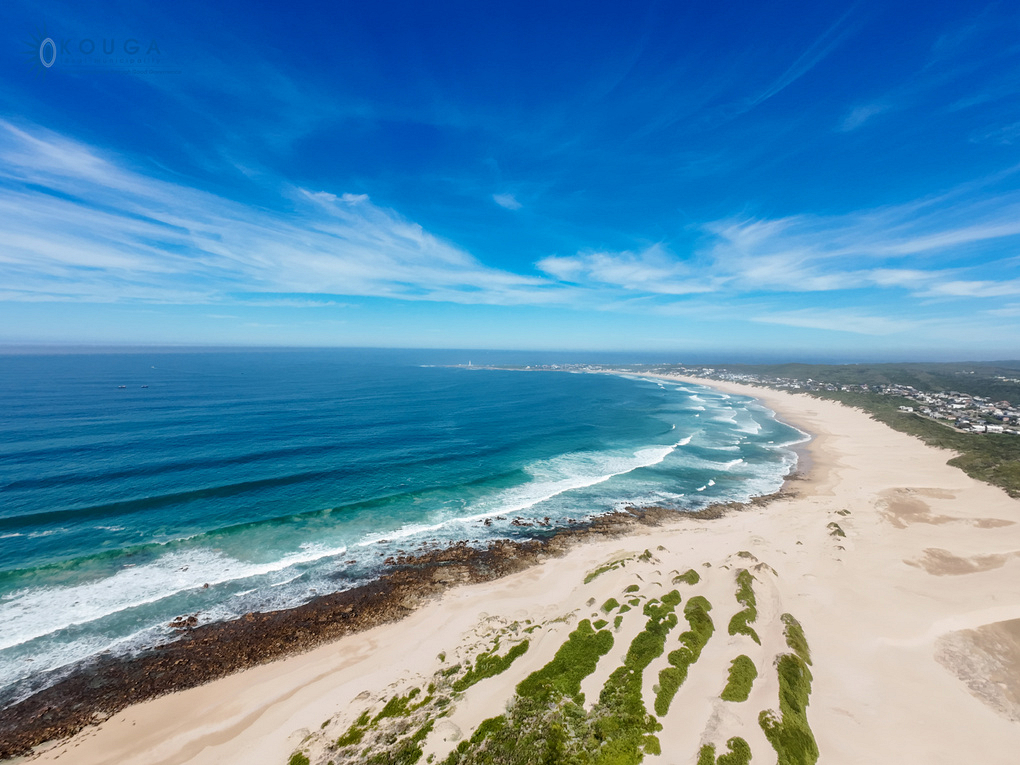
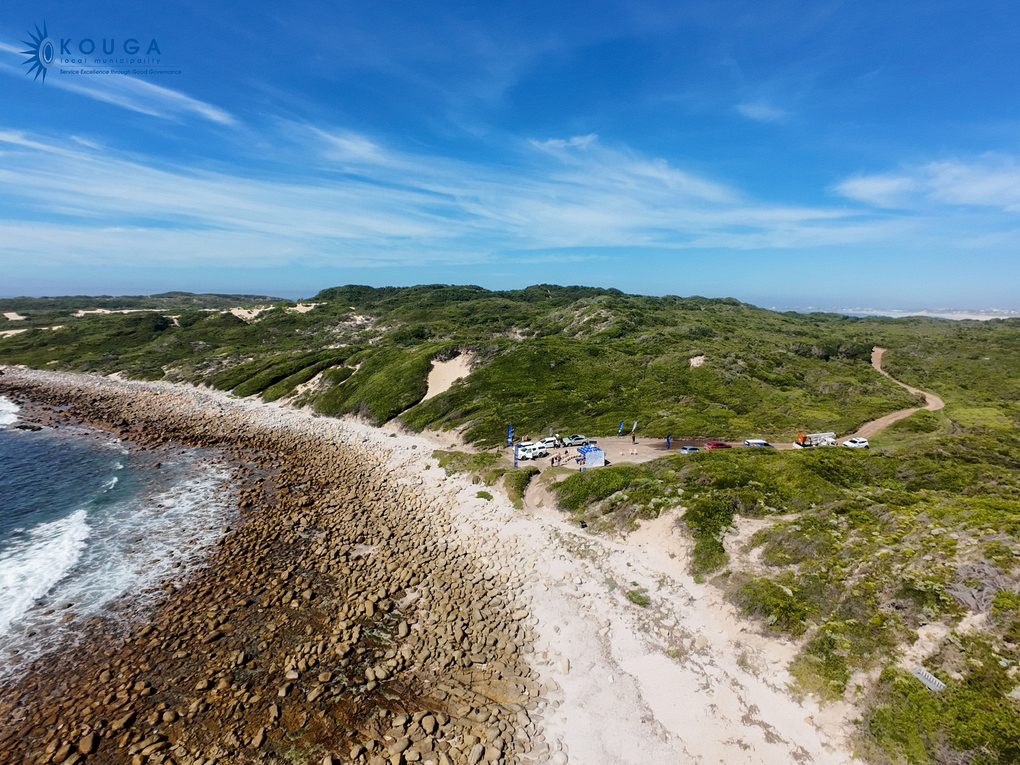
CAPE ST FRANCIS – A community-driven process that began in 2015 culminated in a landmark conservation agreement on Friday, 16 October 2026, when Kouga Local Municipality secured responsibility for managing approximately 235 hectares of state-owned land at Ongegunde Vryheid, near Cape St Francis.
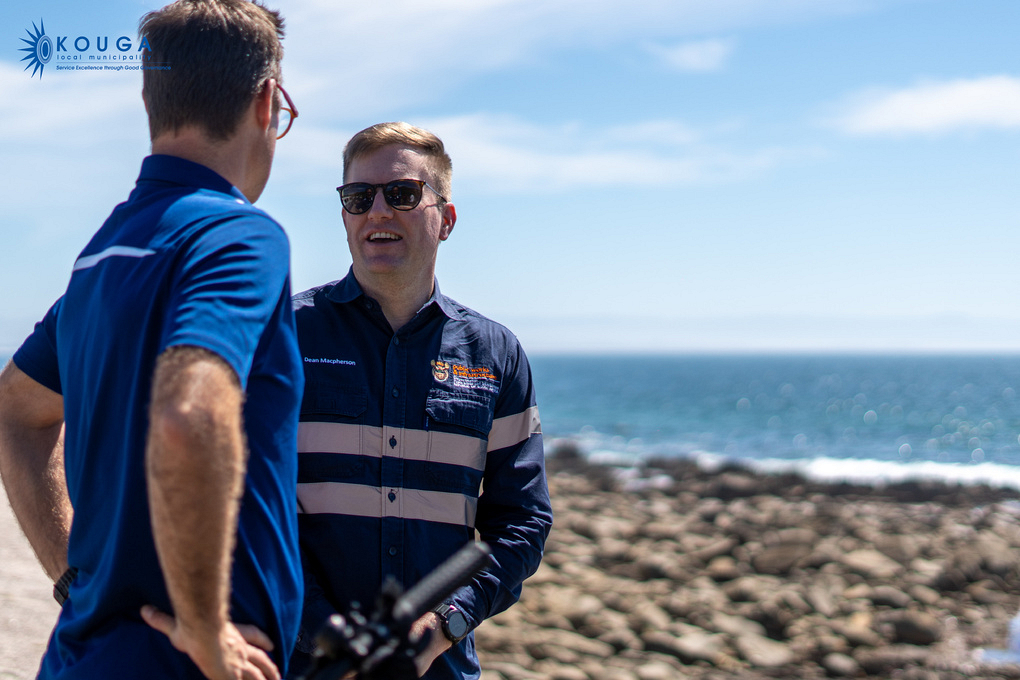
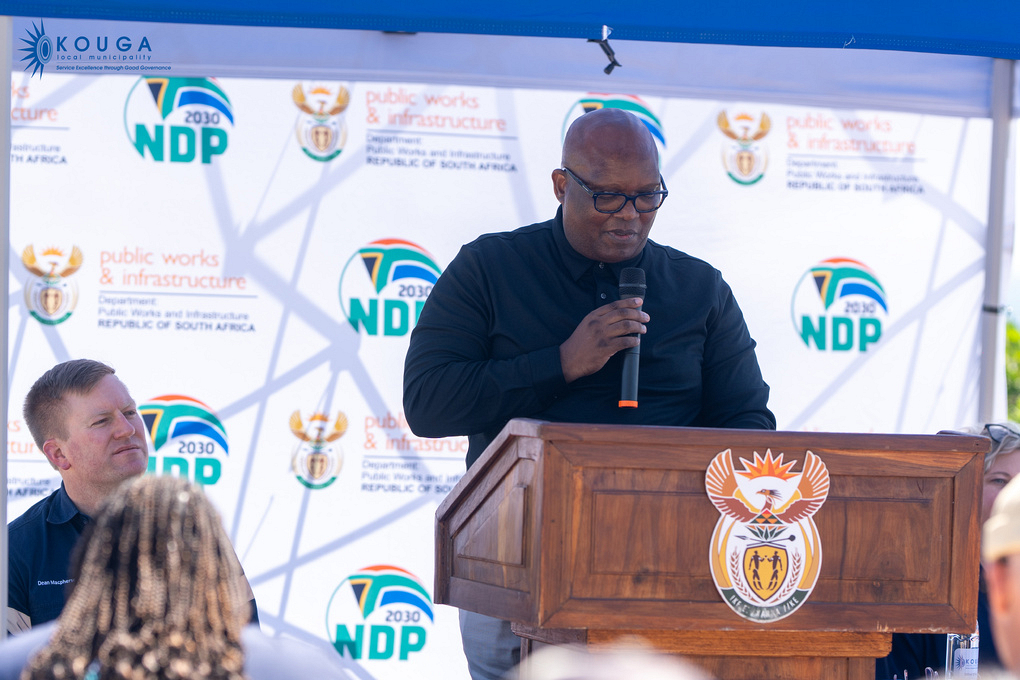
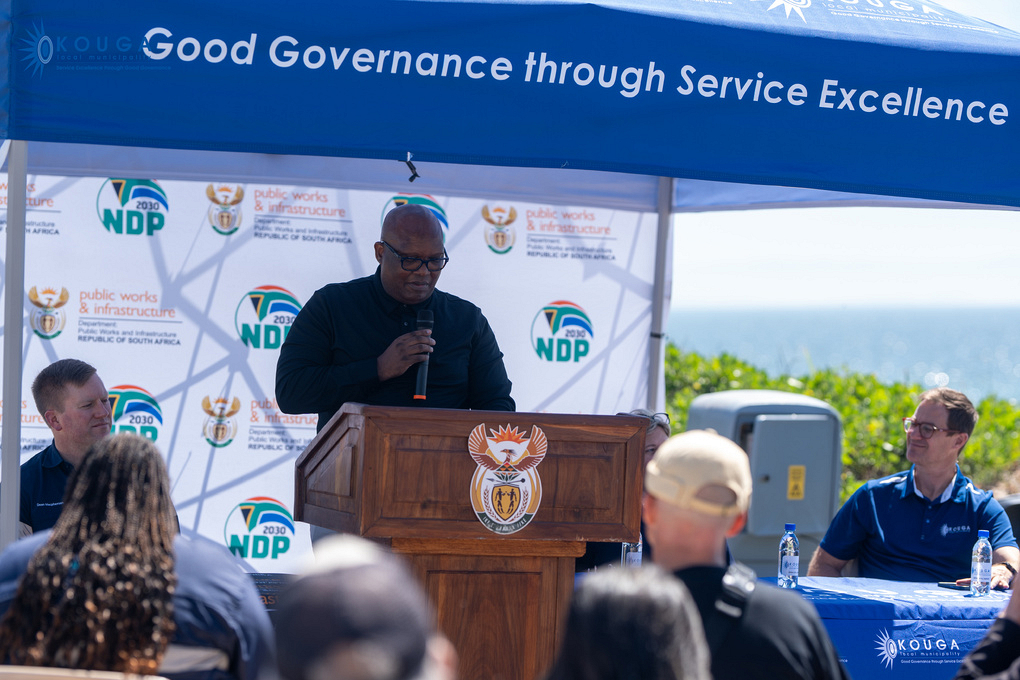
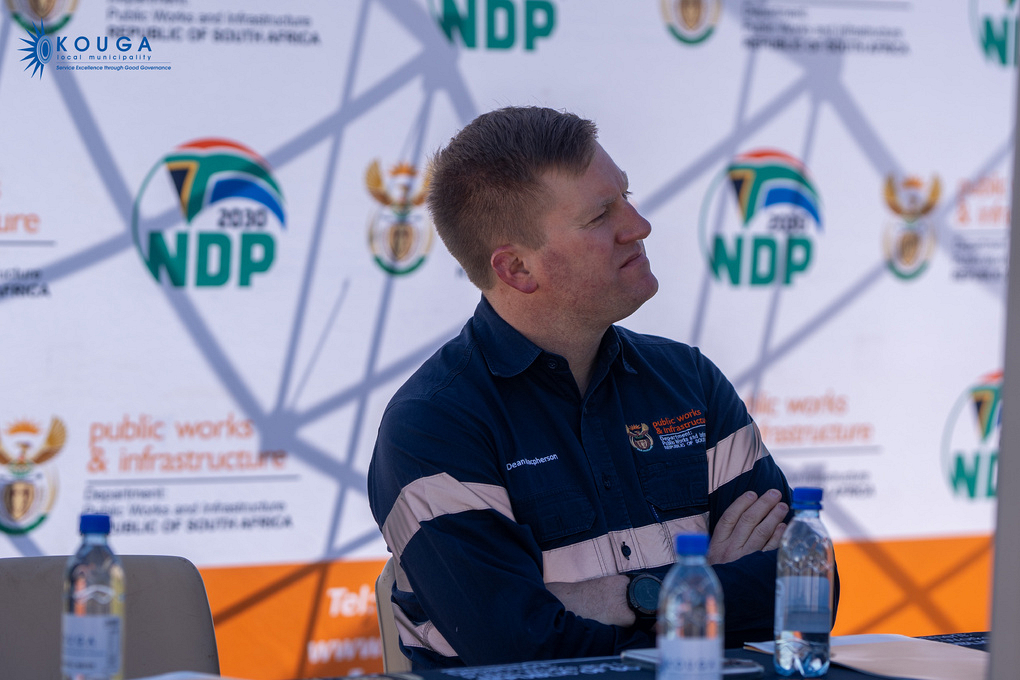
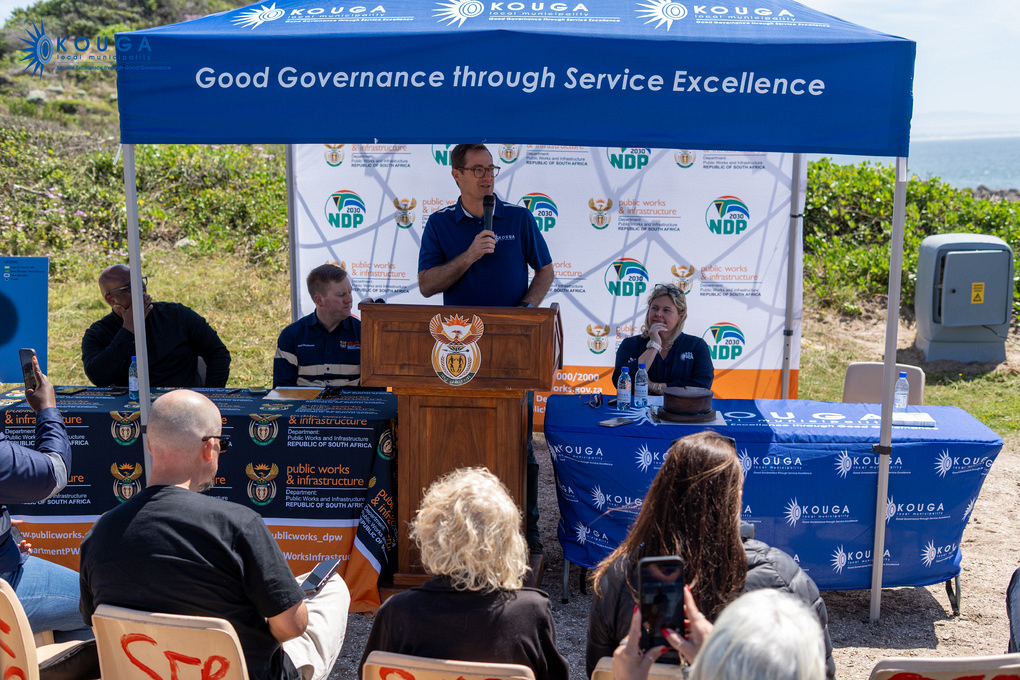
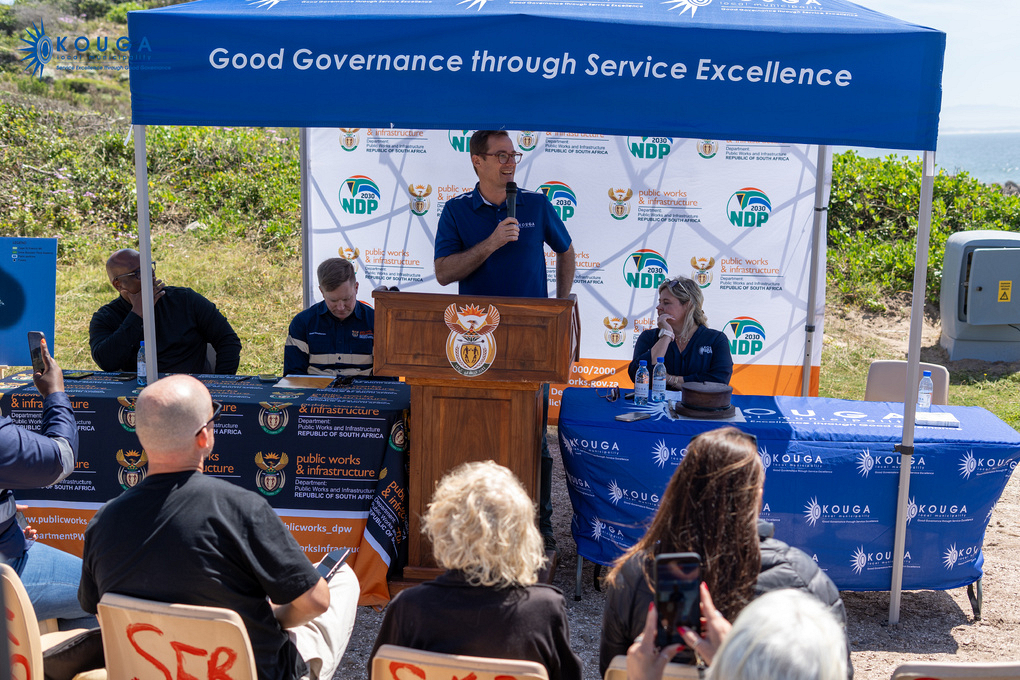
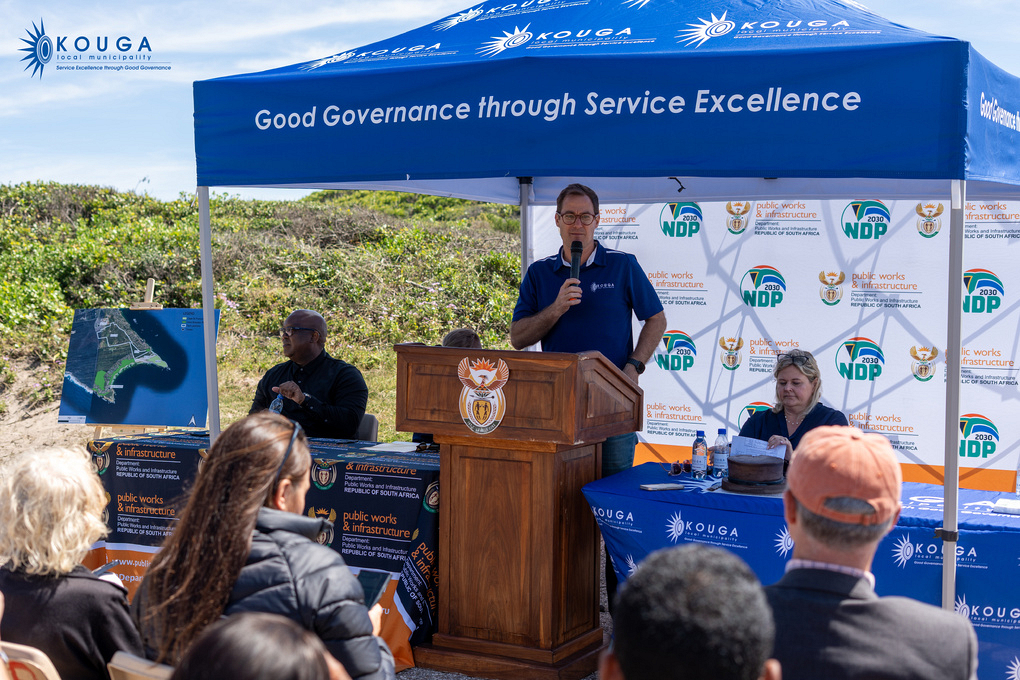
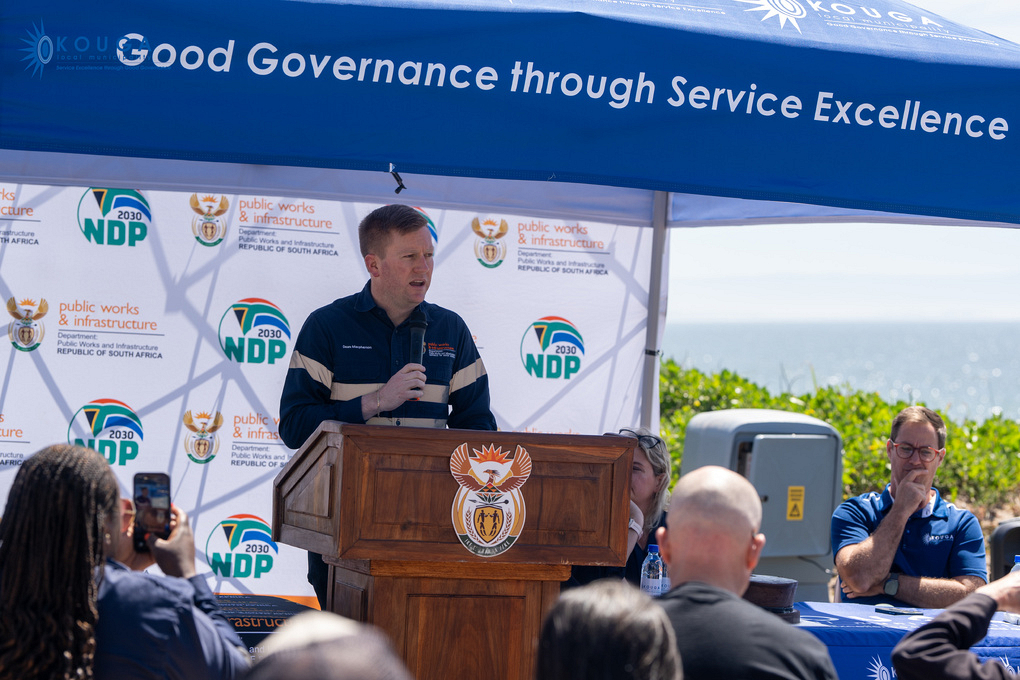
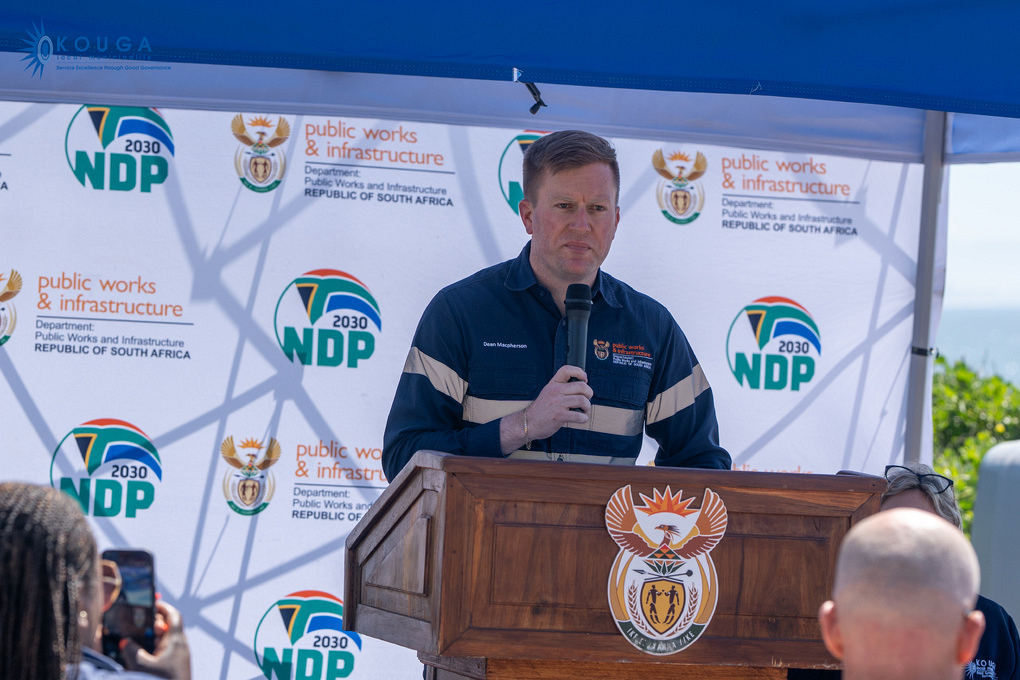
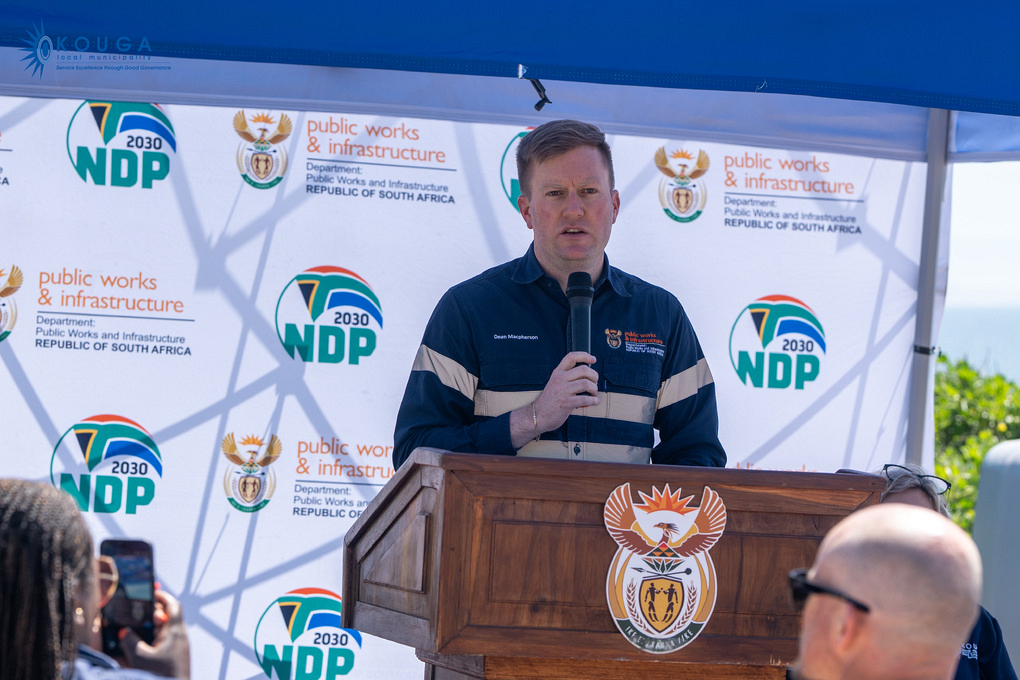
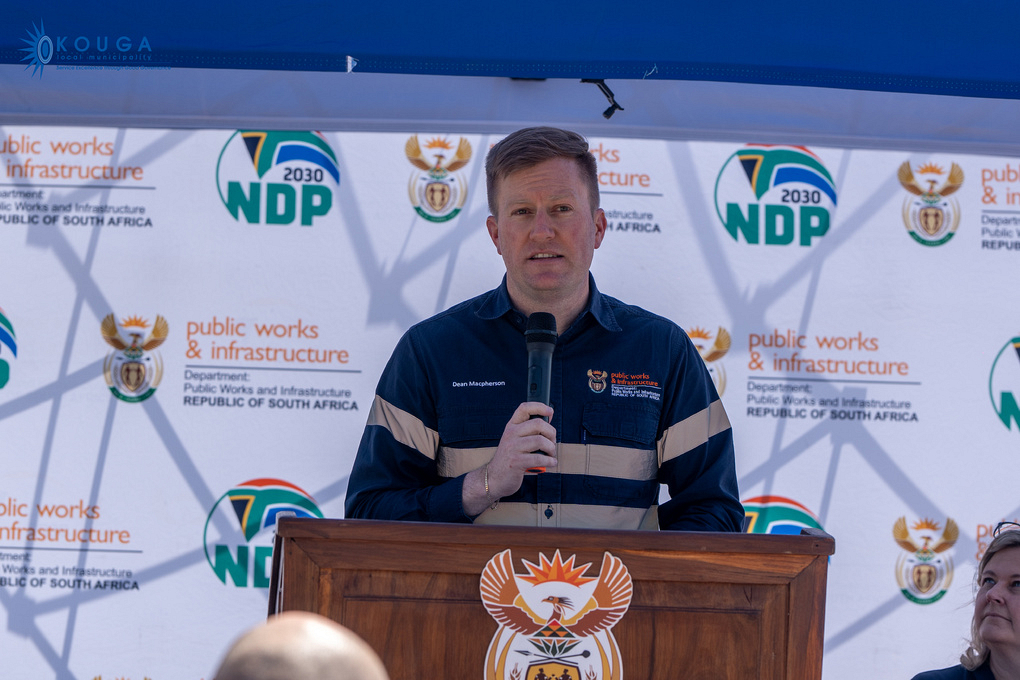
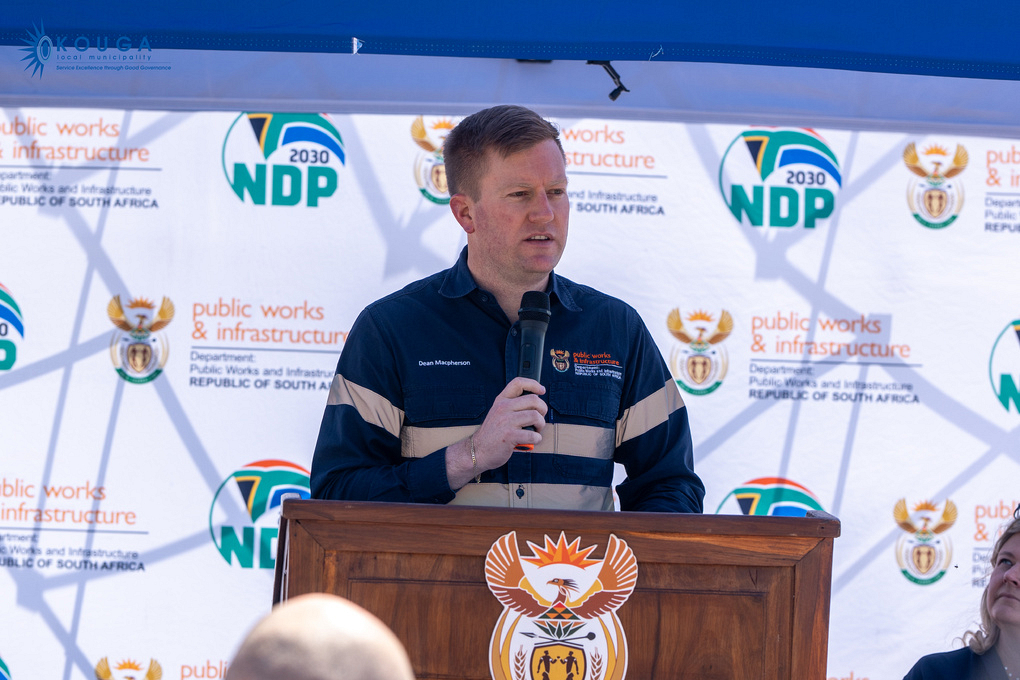
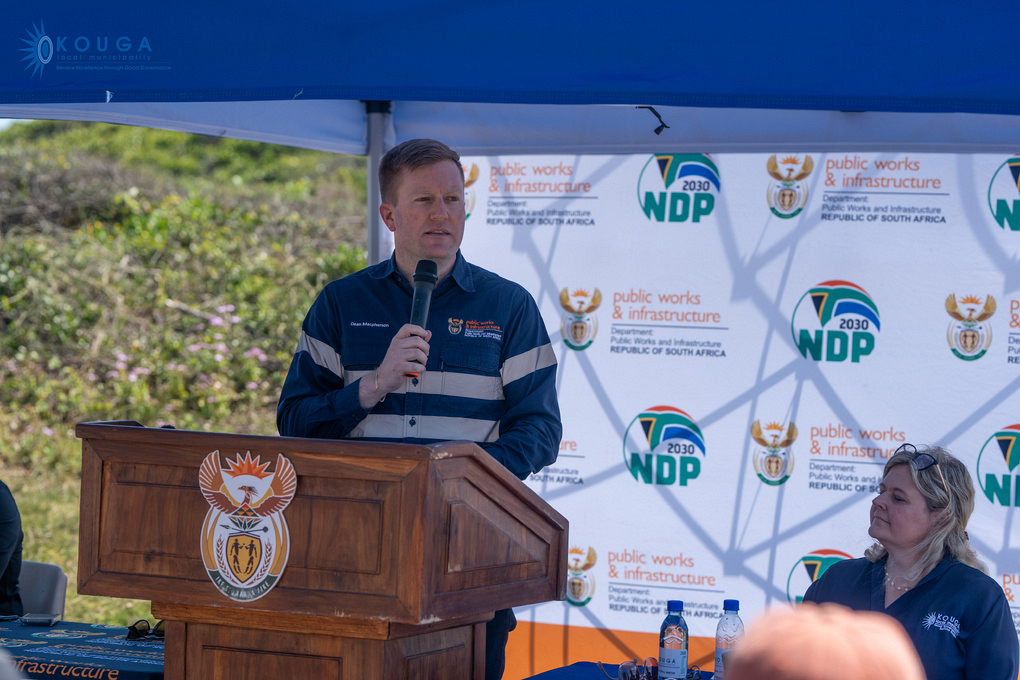
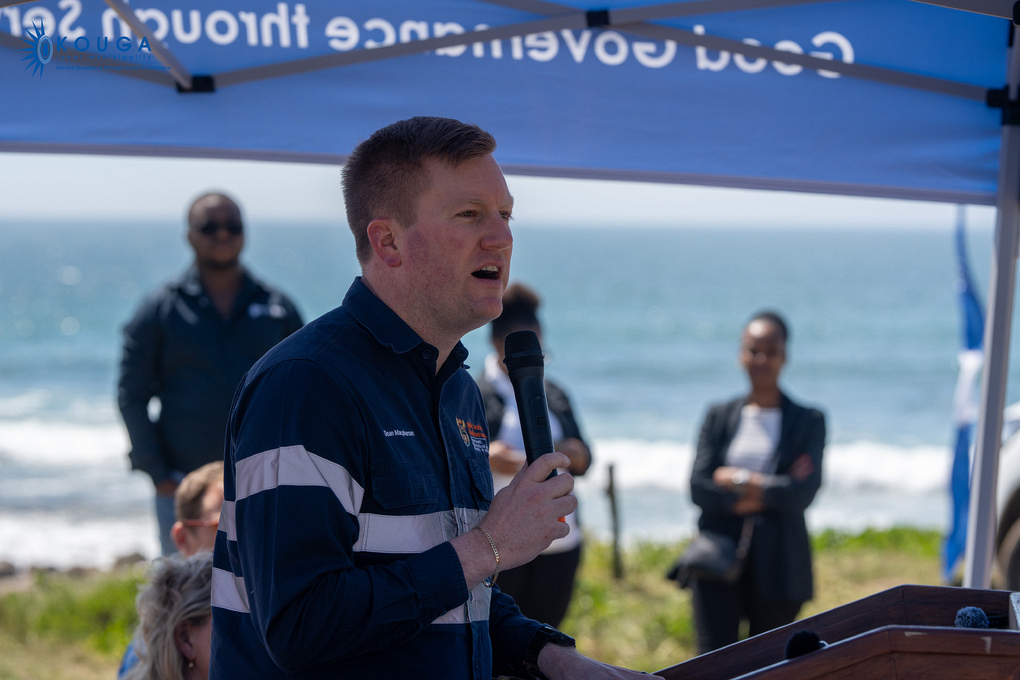
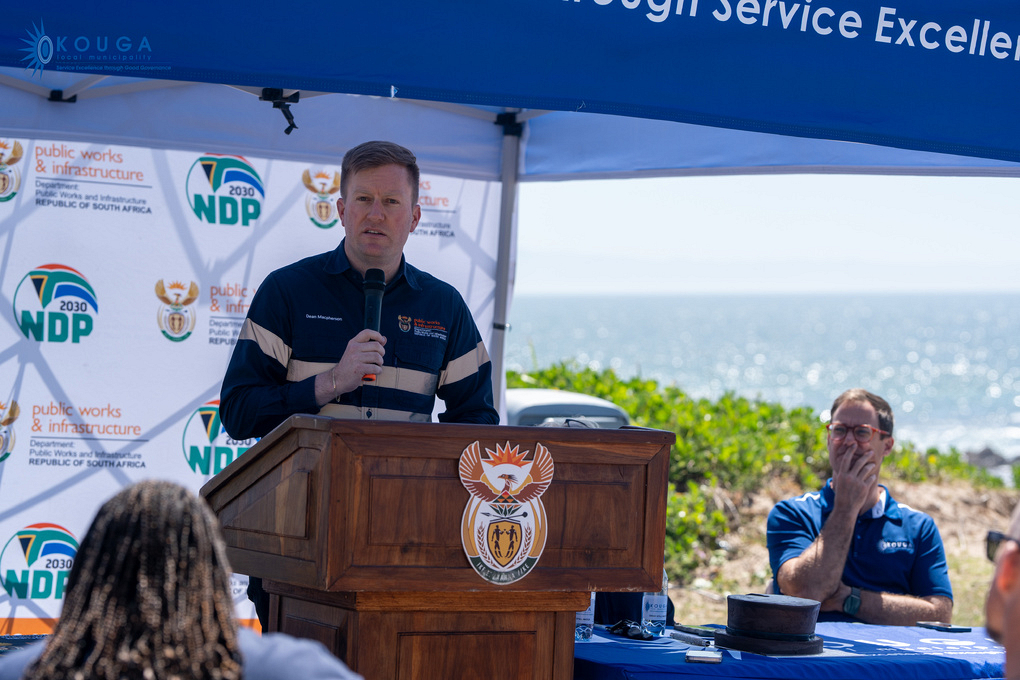
Announced by the Minister of Public Works and Infrastructure, Dean Macpherson the agreement represented the department’s largest management lease and a significant step towards protecting the region’s natural heritage while unlocking its tourism potential.
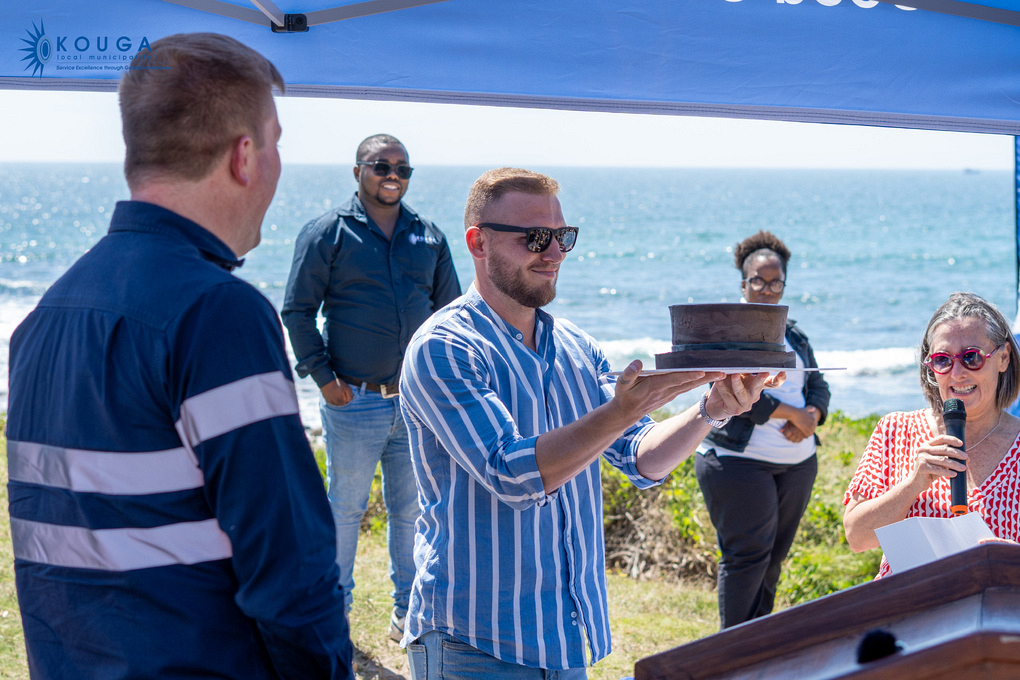
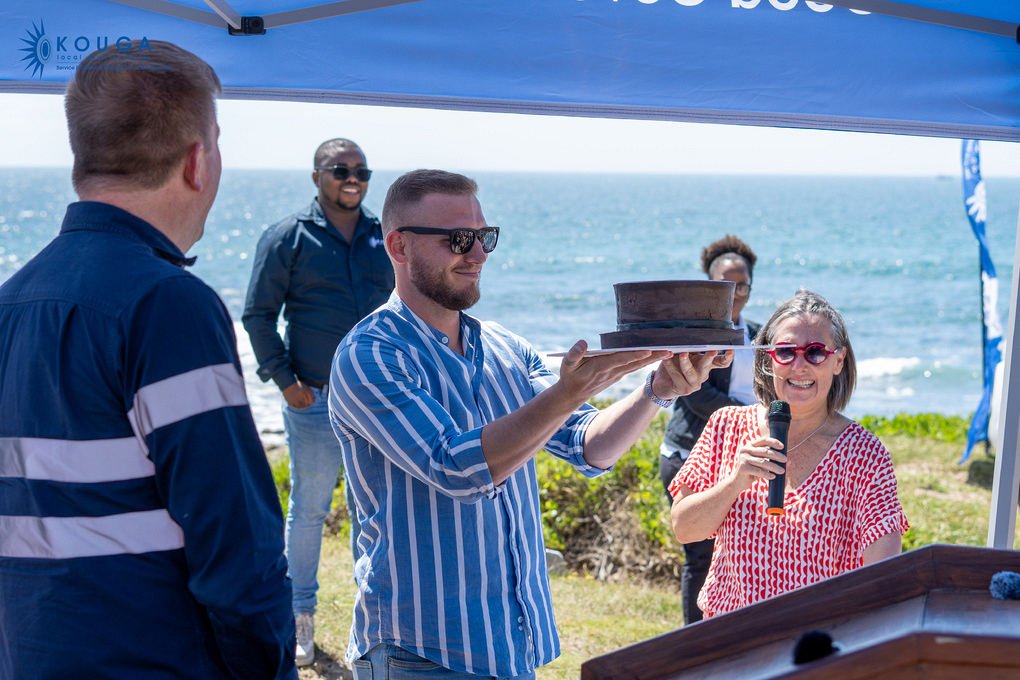
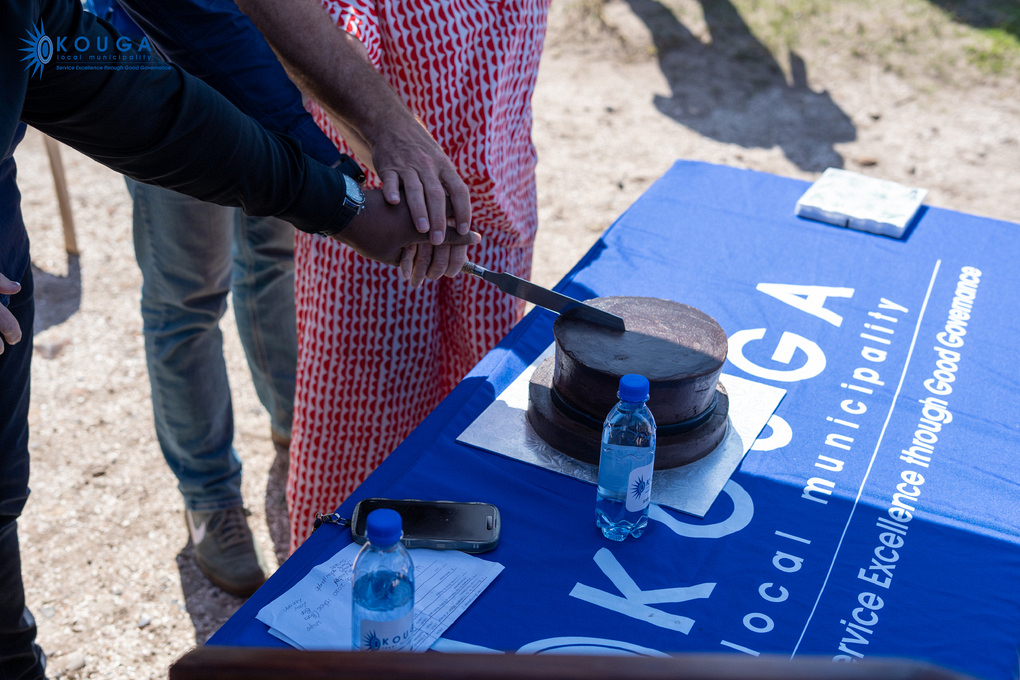
For those who had championed the initiative for more than a decade, the announcement was a moment of vindication. The journey had been marked by uncertainty and scepticism, including naysayers who had declared they would “eat their hat” if the project ever became a reality.
Their doubts were finally answered.
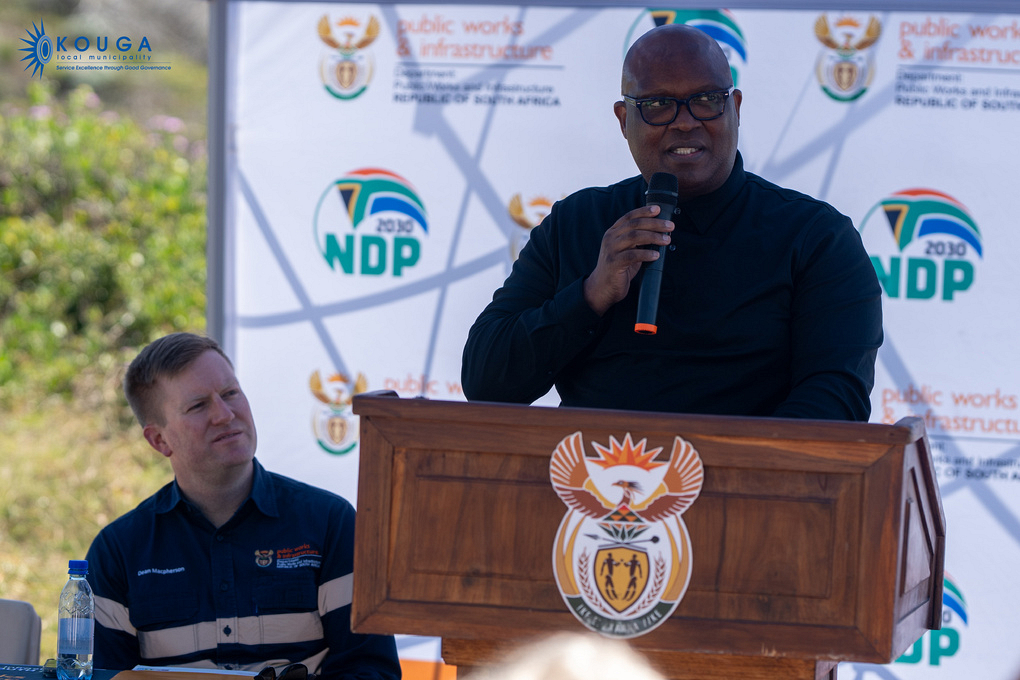
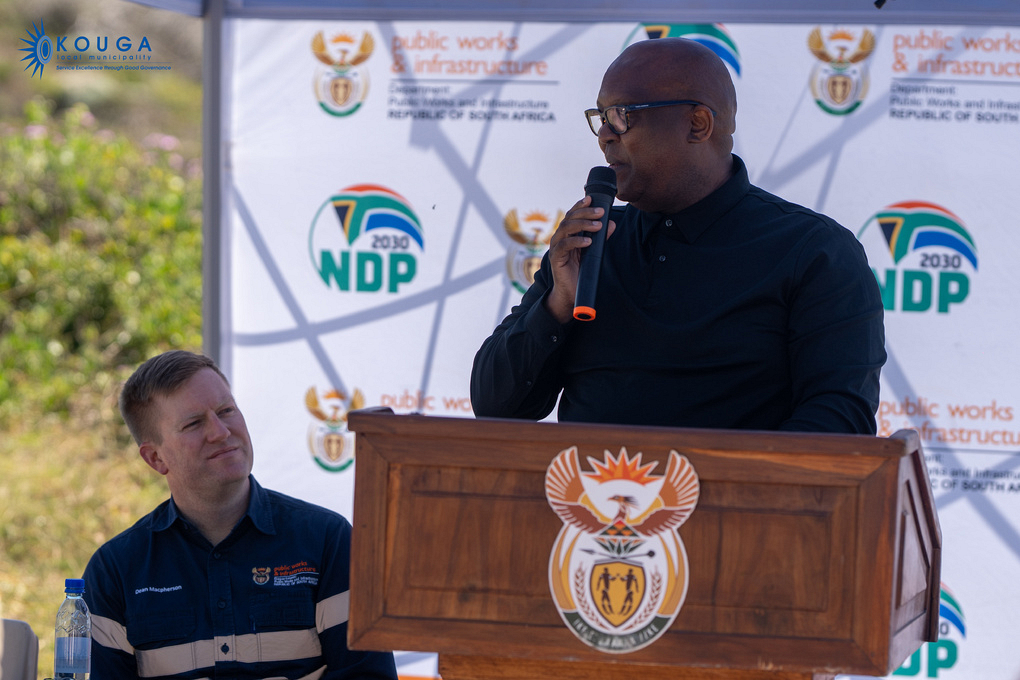
“This is a milestone for conservation, for the Kouga community and for the responsible management of public assets,” Macpherson said.
He explained that responsible asset management did not mean every piece of government land had to be developed. Instead, each property had to be assessed according to its environmental, social and economic value.
“At Ongegunde Vryheid, that right use is conservation,” he said.
From a decade-long challenge to a practical solution
The process began in 2015, when Kouga Local Municipality approached the Department of Public Works and Infrastructure about the use of the state-owned land. Over the years, different portions were considered for human settlements, municipal infrastructure and conservation.
Environmental assessments subsequently confirmed that significant parts of the property were too sensitive for development, creating the need to protect the natural environment while allowing separate housing plans to proceed.
In October 2025, Macpherson directed that a definitive solution be found. The department developed a revised approach that separated the conservation land from the portion earmarked for future human settlements. Following legal review and the necessary approvals, the Minister granted final approval on 29 September 2026.
“The result is a solution that is legally sound, financially responsible and focused on delivering practical outcomes.
“Instead of pursuing a transfer of ownership that had not been finalised, the national government will retain ownership of the land while the property receives formal protection as a Nature Reserve under the National Environmental Management: Protected Areas Act. Kouga Local Municipality will serve as the management authority, with FOSTER playing an important operational role through a formal co-management arrangement,” he said.
The agreement provided a way forward for conservation without unnecessarily holding up the separate housing process.
Protecting an irreplaceable coastal landscape
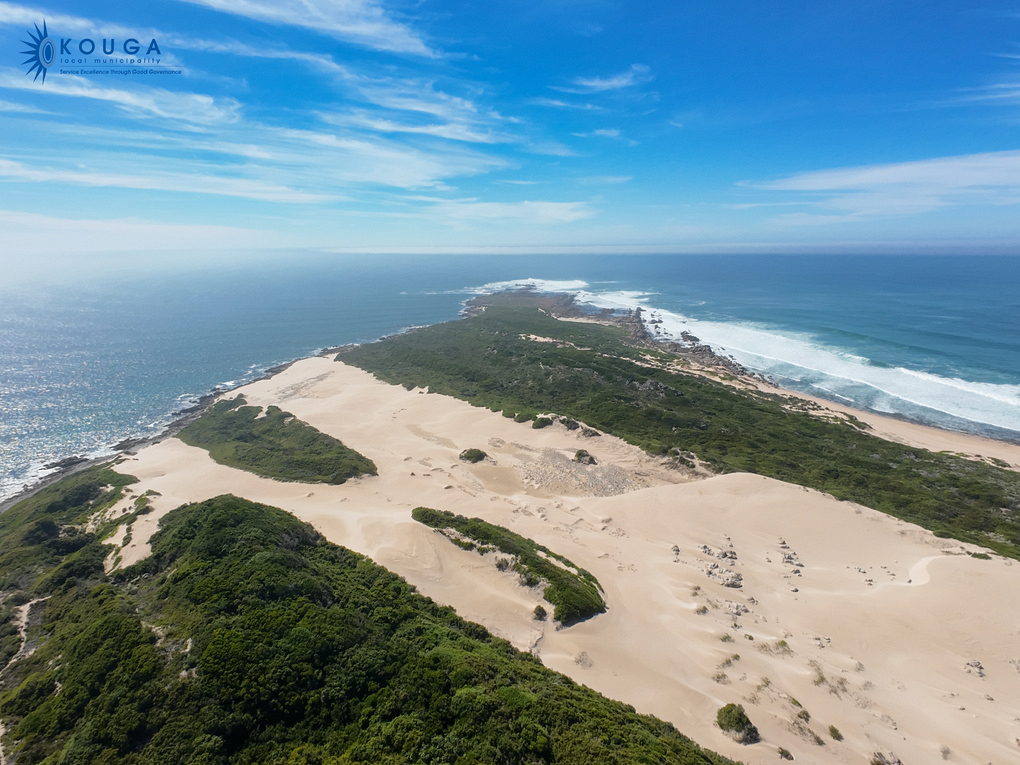
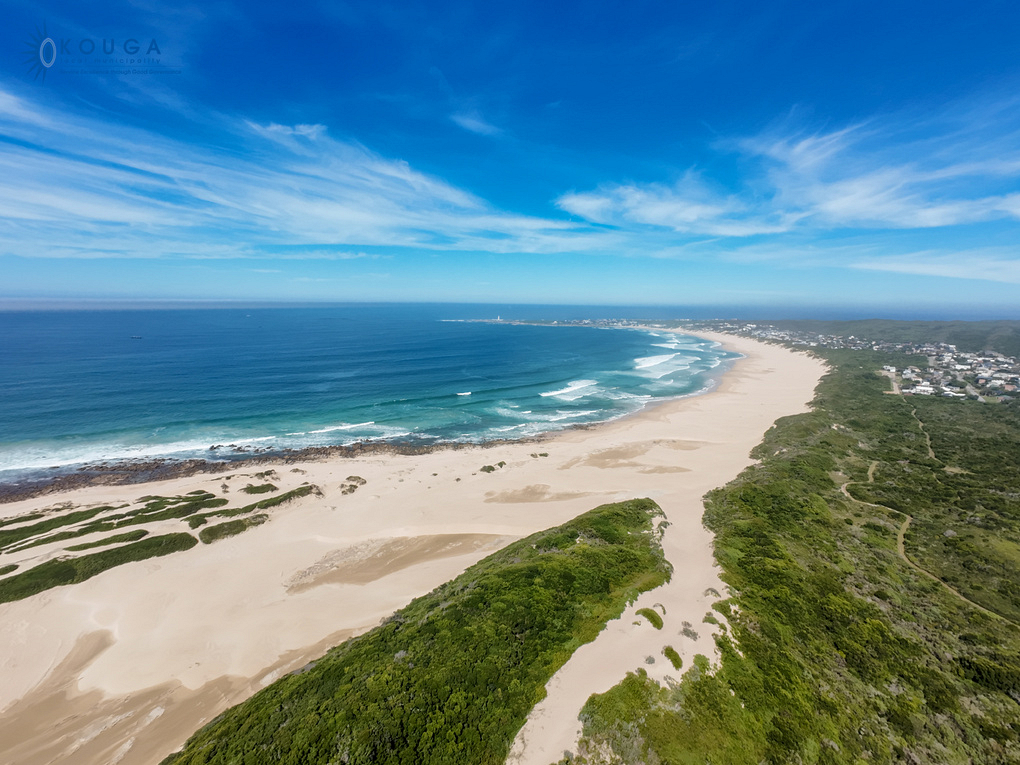
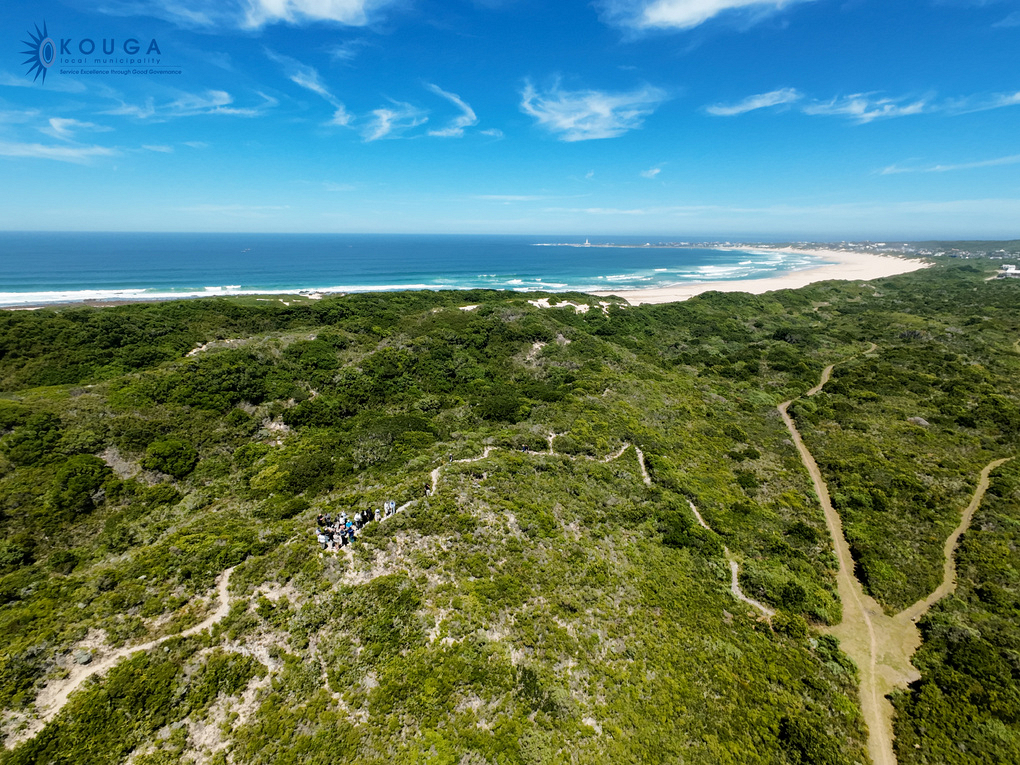
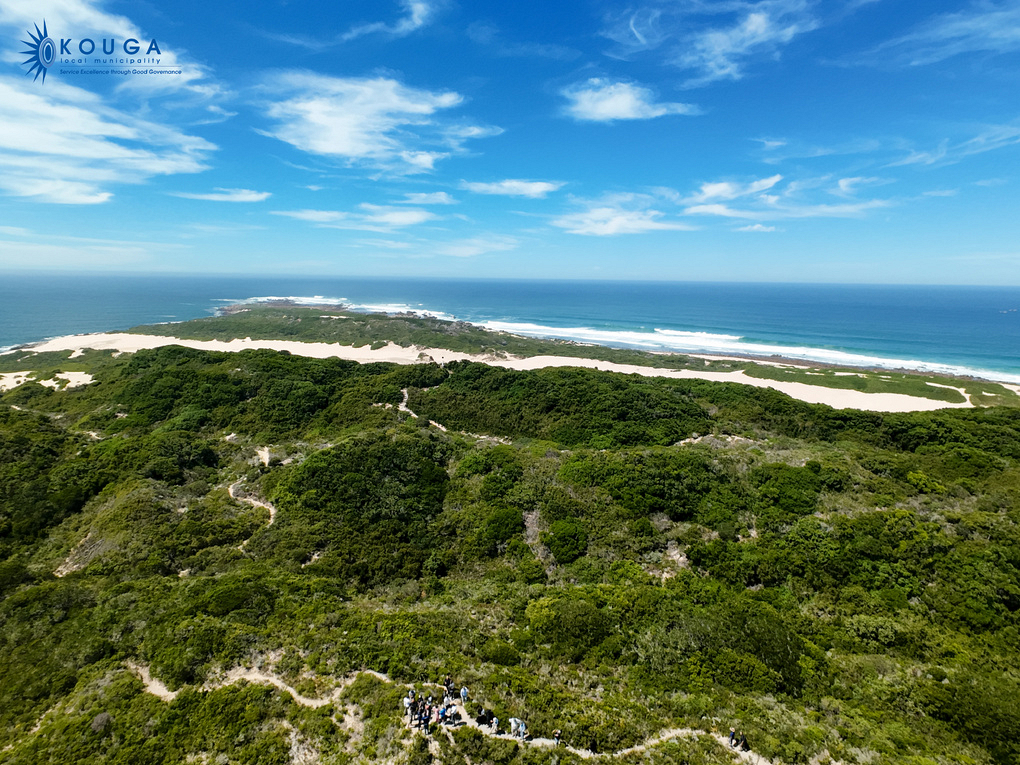
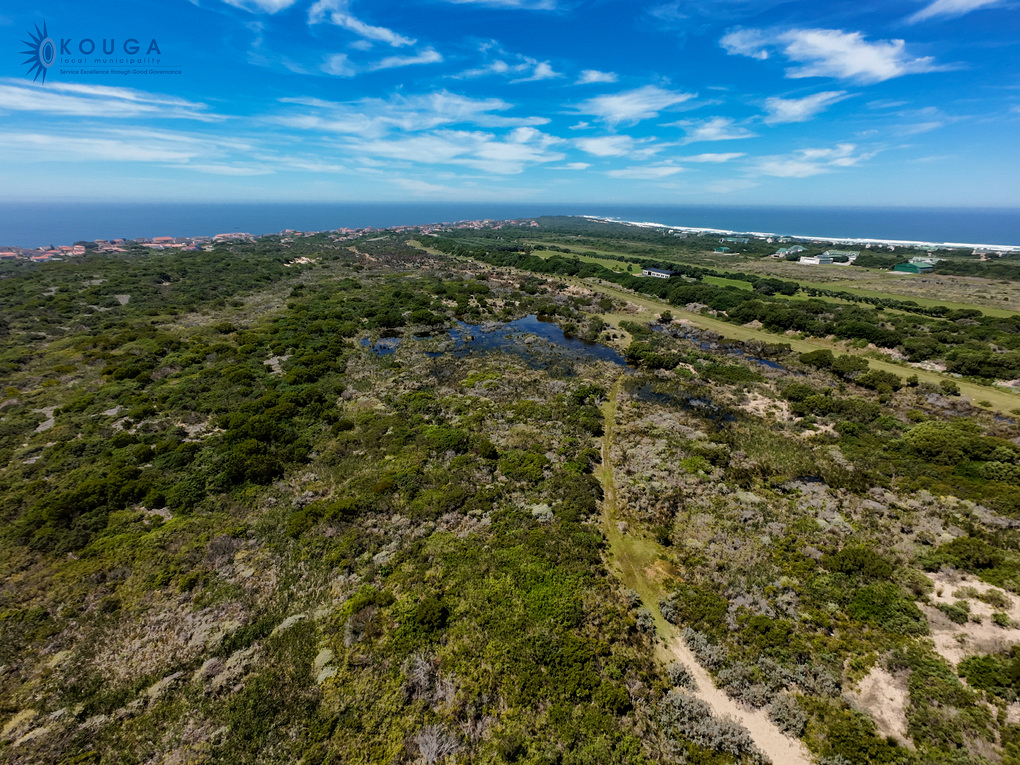
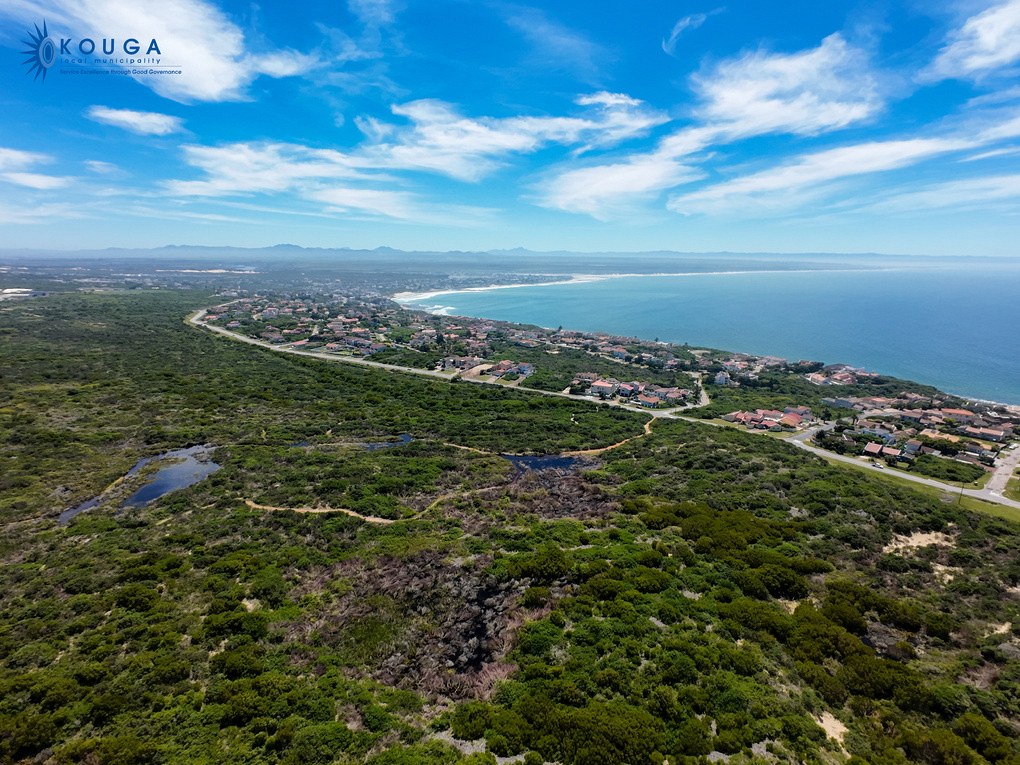
The 235-hectare property forms part of an environmentally significant landscape around Cape St Francis, containing sensitive ecosystems, wetlands and vegetation essential to the region’s biodiversity.
Among its most important features is St Francis Strandveld, a critically endangered vegetation type endemic to the Eastern Cape and poorly protected elsewhere in South Africa. The area also supports plant species of special conservation concern, including species threatened with extinction.
Its coastal dune systems help regulate sand movement and maintain beach stability, while wetlands regulate water flows and provide important ecological services. The landscape also provides habitat for Cape grysbok, bushbuck, Cape clawless otters and a diverse range of birdlife. Its archaeological heritage connects the area to people who lived there thousands of years ago.
“These are assets that cannot simply be replaced once they are lost,” Macpherson said.
Formal protection would strengthen the network of conservation areas around Cape St Francis, complementing the Cape St Francis Nature Reserve, Irma Booysen Flora Reserve and Seal Point Reserve. Connecting protected landscapes helps support biodiversity and strengthens the resilience of natural ecosystems.
The agreement also builds on the area’s conservation legacy. Irma Booysen, whose family owned the original Ongegunde Vryheid farm, advocated for setting aside land to protect the fragile coastal fynbos during the farm’s development. The resulting Irma Booysen Flora Reserve has since offered visitors walking trails and opportunities to experience the region’s botanical diversity.
The additional land creates an opportunity to extend this legacy and protect a broader coastal landscape for future generations.
Unlocking tourism potential through partnerships
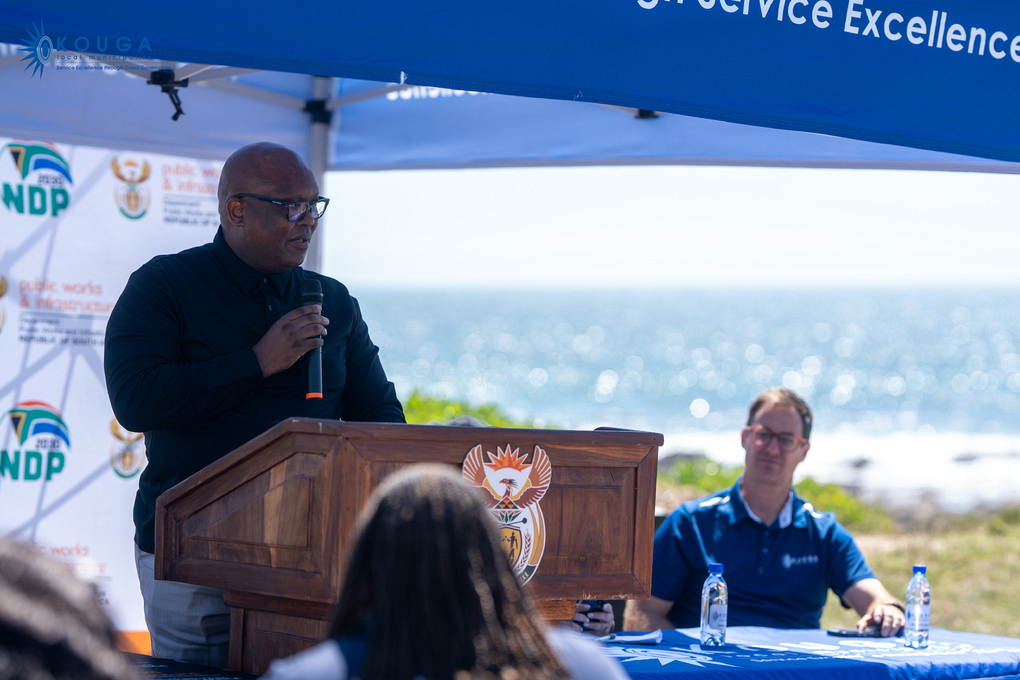
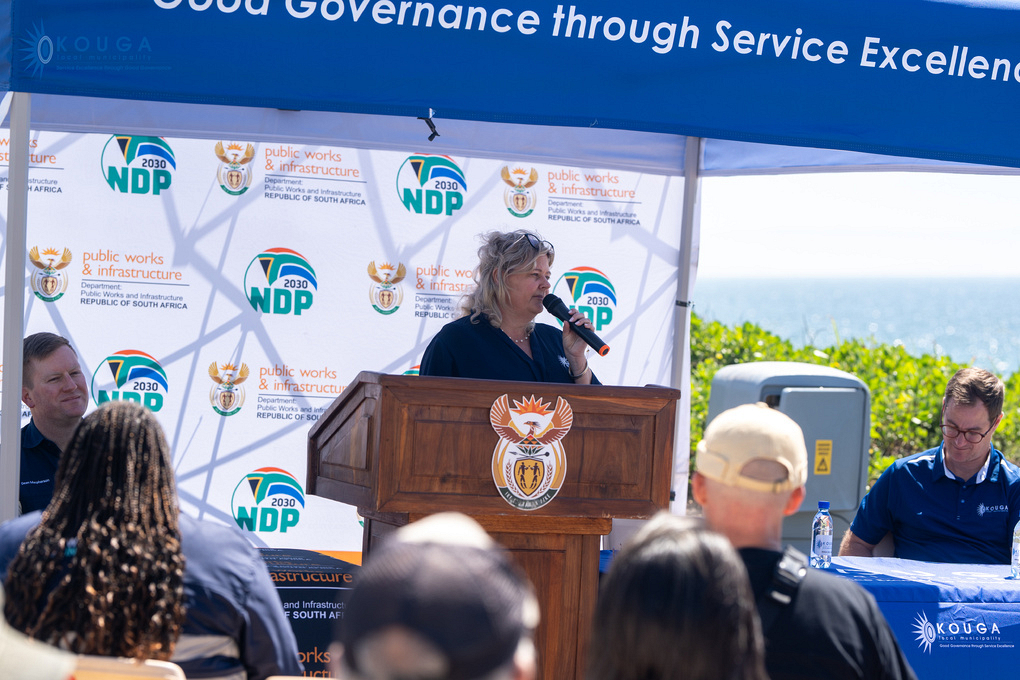
Bornman expressed his gratitude for the milestone and looked forward to the next steps in the process, particularly the opportunity to introduce more people to the natural beauty of the Cape St Francis area.
“The natural beauty makes Kouga a nice place to live, but the people make it special,” he said.
Bornman highlighted the potential for the agreement to strengthen tourism by protecting the natural assets that make Kouga attractive to residents and visitors. With appropriate conservation planning and carefully managed public access, the area could complement existing attractions and create further opportunities for nature-based tourism.
This could benefit local tourism businesses and support related economic activity, provided that visitor activities remain compatible with the land’s environmental sensitivity. Specific developments and tourism facilities would depend on future planning and the conservation management framework.
Bornman also emphasised the importance of partnerships with local stakeholders. Collaboration between the municipality, conservation organisations, tourism businesses and community representatives would be essential to identifying suitable opportunities, promoting the area responsibly and ensuring that conservation remained the priority.
Macpherson similarly stressed that well-managed conservation areas could strengthen local tourism, support nature-based economic activity and preserve the environmental character of a destination.
“The value of a government asset is not measured only by what can be built on it or how much revenue it can generate,” he said. “Its value must also be measured by the public benefit it delivers.”
For Kouga, that public benefit lies in protecting biodiversity while maintaining the natural environment on which much of the region’s tourism appeal depends.
A lasting benefit for the community
The agreement demonstrated how national government, local government and conservation partners could work together to resolve a complex land-management challenge. Macpherson acknowledged Kouga Municipality, FOSTER and the wider conservation community for their commitment, and paid tribute to Director-General Sifiso Mdakane and his team for helping bring the long-standing matter to a resolution.
The next phase will require continued cooperation, responsible oversight and implementation of the protected area’s management plan. The success of the agreement will ultimately be measured by how effectively the land’s ecosystems and heritage are protected.
For the community members who had supported the initiative since 2015, the announcement marked the culmination of years of persistence. What began as a local effort to secure the future of an environmentally sensitive landscape had developed into a major partnership between national and local government.
As Macpherson reminded those gathered, “Government land belongs to the people of South Africa. It is our duty to ensure that it is managed responsibly, protected where necessary, and used in ways that deliver meaningful and lasting value.”